
Plumber insurance
For sole traders and small plumbing crews. A fitting that lets go, gas work, digging near underground services, a van full of tools and stock: we ask about the work you actually do, then get you quotes from insurers.
5.0 from 6 Google reviews, October 2026(opens Google in a new tab)
General advice only. Read the policy documents we send with your quote before you decide.
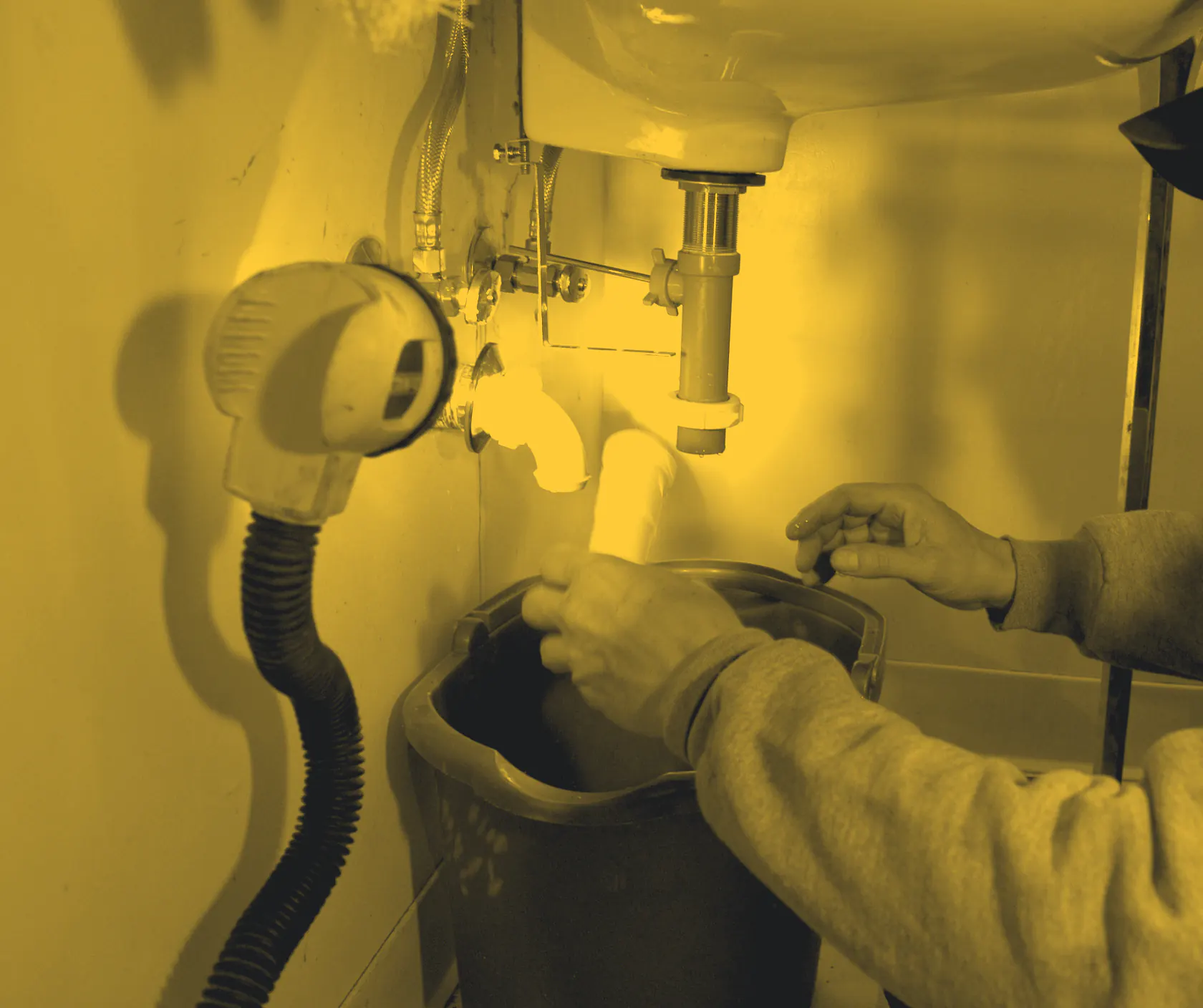
What it can cover for plumbers.
Examples of the claims plumber insurance can respond to. Whether a claim is paid, and how much, is up to the insurer under your policy.
A fitting lets go after you leave
You replace a flexi hose under a kitchen sink. Two days later it bursts and floods the floors and cabinets. Damage to someone else's property caused by your work can fall under public liability.
Someone trips over your gear
A visitor trips over a hose you've run across the path and breaks a wrist. Injury to a member of the public from your work can fall under public liability.
You hit a service while digging
Clearing a blocked sewer, you trench through a neighbour's water service or a communications cable. Some policies set conditions or a higher excess (the amount you pay towards a claim) for underground services, so ask before you dig.
Hot work on a client's job
Brazing copper or working on a gas line brings fire into someone's home. Insurers ask whether you do gas fitting or hot work because it changes how they see the risk.
The van is broken into overnight
Press tools, a drain camera and stock taken from the van. Tool cover can pay to repair or replace tools and stock that are stolen or damaged, up to the policy limits (the most the policy pays for a claim).
Something you supplied fails
Tapware or a hot water unit you supplied and fitted fails and causes damage. Products liability, which some public liability policies include, can respond to claims from goods you supply, depending on the policy.
What it usually doesn't cover.
Every policy is different, and the policy wording is what counts. These are the usual gaps.
- The cost of redoing your own faulty work: the policy looks at the damage it causes, not the fix
- Injury to you or your workers: that's workers comp, or personal accident cover for yourself
- Design or advice, such as drawing up a hydraulic layout: that's professional indemnity
- Gradual leaks, wear and tear, and problems you knew about and left
- Work you didn't tell the insurer you do, such as gas fitting declared as plumbing only
- Tools left in an unlocked vehicle or on an open site, unless the policy says otherwise
The covers plumbers ask about.
In the order most plumbers think about them. Each one is explained on its own page.
- Public liabilityA flood from a failed fitting is the kind of claim public liability can respond to. Builders and strata managers usually ask to see this first.
- ToolsPress tools, pipe threaders, drain cameras and the stock in the van, for theft and damage up to the policy limits.
- VehiclesThe van is your workshop. Commercial vehicle cover is for a vehicle used for work, racking and fit-out included where the policy lists them.
- ContractorsSubbing to a builder? The head contractor sets the cover and the certificate they need to see.
- Contract worksBigger jobs, like a full fit-out on a new build, may need the works themselves covered while they're underway.
- Workers compTaking on an apprentice or a second plumber? Workers comp for employees runs under each state's scheme.
- Accident and illnessIf injury or illness stops you working, personal accident and illness cover can pay a weekly benefit, depending on the policy.
- Sole tradersWorking for yourself on an ABN? See how the covers fit together for sole traders.
Licences and site rules.
- On site
Builders, head contractors and strata managers often ask for a certificate of currency (the insurer's proof that your policy is in force) for your public liability before you start, sometimes with a set cover limit written into the contract.
- Western Australia
In WA, check your plumbing licence and its conditions with Building and Energy, and tell us about any insurance your licence or contracts ask for.
Information for licensed plumbers, Building and Energy WA(opens in a new tab)- Victoria
In Victoria, check with the Building and Plumbing Commission what your plumbing registration or licence asks for, including any insurance, and tell us.
Building and Plumbing Commission, Victoria(opens in a new tab)- Other states
Plumbing licences, and any insurance they require, are set by each state's regulator. Check with yours, and tell us what it asks for.
What sets the price.
- The work you do: maintenance, new homes, commercial, drainage or gas fitting
- Your turnover
- The public liability limit you choose
- How many people work for you, and how much you subcontract
- The value of the tools and stock you insure
- The state you work in
- Your claims history
On the quote form
Pick the one that matches your work. Not sure? Pick the closest and tell us in the comments.
- Plumbing and Gas Fitting / Plumber (Domestic Only)
- Gas Fitters (non-industrial work only)
How to get plumber insurance.
Tell us about your plumbing.
Domestic or commercial, any gas fitting or drainage, your turnover, who works with you and the limit your contracts ask for. Use the quote form or call us.
We get you quotes.
We ask insurers for quotes and come back to you with what each one covers and what it doesn't, tools in the van included.
Choose, then start work.
Cover starts once you pick a policy and the insurer agrees to it. Then ask us for a certificate of currency for site.
Plumbers: your questions.
What insurance do I need as a plumber?
Most plumbers start with public liability, because builders, strata managers and many clients ask to see it before you start. Tools and stock cover and commercial vehicle cover usually come next, then workers comp if you employ anyone and personal accident cover for yourself. What suits you depends on your work, so talk it through with a broker before you decide.
How much does plumber insurance cost?
There's no set price. The insurer works it out from the type of plumbing you do, your turnover, the public liability limit you choose, how many people work for you, the tools and stock you insure, your state and your claims history. Tell us about your work and we'll get you quotes.
Do plumbers need public liability insurance?
It's often required by builders, head contractors and strata managers before you start, and some state licences set insurance requirements too. Check the rules for your state with the regulator, and keep a certificate of currency handy for site.
How much public liability tradies needIs water damage from my work covered?
Public liability can cover damage to someone else's property caused by your work, like a flood from a fitting that fails. It usually won't pay to redo the faulty work itself, and gradual leaks are often excluded. The policy wording sets out exactly what is covered.
Do I need extra cover for gas fitting?
Tell the insurer if you do gas fitting. Many insurers ask about it separately because of the fire and explosion risk, and some policies have conditions for it. Leaving it out could mean a claim from gas work is reduced or refused.
Does digging for drains near underground services change my cover?
It can. Damage to underground water, gas, power and communications lines is a known risk for drainers, and some policies set conditions, such as locating services before you dig, or a higher excess. Ask us to check the wording before you take on excavation work.
What about press tools left in the van?
Check your tool cover's conditions for a locked van before you leave press tools or the drain camera in it overnight.
Is your van covered?Sort your cover.
Monday to Friday, 9am to 5pm. Or email mate@tradies365.com.au.