Handyman insurance
For handymen doing repairs and maintenance in people's homes, rentals and small businesses. Lots of small jobs in lived-in homes means lots of chances to damage something or trip someone up. We ask what you take on and what you leave to licensed trades, then get you quotes from insurers.
5.0 from 6 Google reviews, October 2026(opens Google in a new tab)
General advice only. Read the policy documents we send with your quote before you decide.

What it can cover for handymen.
Examples of the claims handyman insurance can respond to. Whether a claim is paid, and how much, is up to the insurer under your policy.
A drill finds a pipe
Mounting a TV bracket, you drill into a water pipe in the wall and flood the lounge. Damage to someone else's property caused by your work can fall under public liability.
You damage what you're fixing
Rehanging a door, it slips, cracks a glass panel and dents the new floor. Public liability can respond to damage to a client's property, though some policies limit cover for the thing you're working on.
A client trips over your gear
An extension lead across the hallway, or a toolbox at the bottom of the stairs, and the client falls. Injury to a member of the public from your work can fall under public liability.
A repair lets go later
A shelf, a handrail or a gate you fixed comes away weeks later and someone is hurt. Claims about a finished repair can fall under public liability, so check the policy covers work you've completed.
Tools taken from the ute
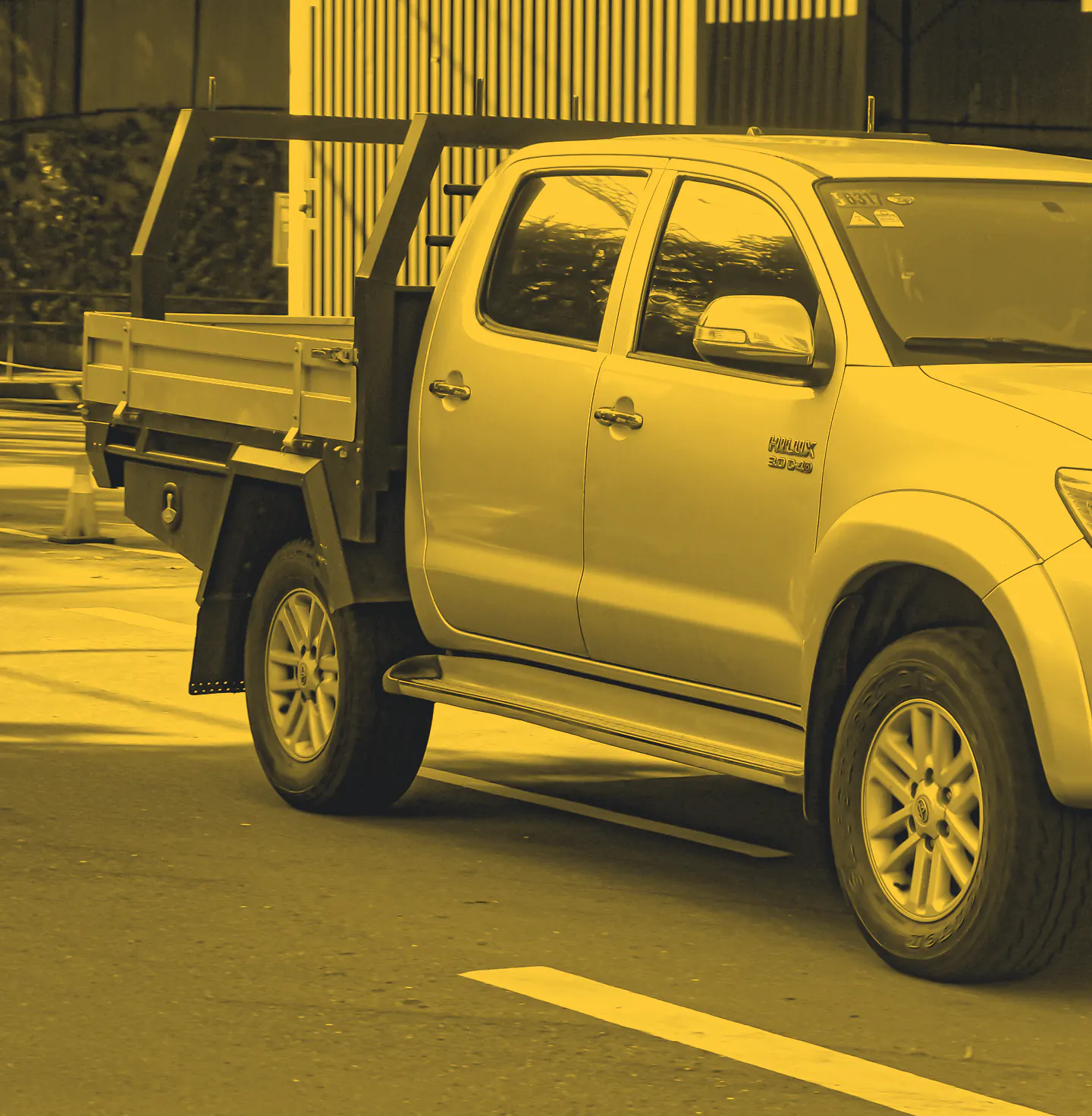
Drills, saws and a full kit taken from the ute outside a job. Tool cover can pay to repair or replace stolen or damaged tools, up to the policy limits (the most the policy pays for a claim) and conditions such as the vehicle being locked.
You come off the ladder
Cleaning gutters, you fall and break a wrist. Injury to you isn't public liability. Personal accident and illness cover can pay a weekly benefit while you can't work, depending on the policy.
What it usually doesn't cover.
Every policy is different, and the policy wording is what counts. These are the usual gaps.
- The cost of redoing your own faulty work: the policy looks at the damage it causes, not the fix
- Injury to you or your workers: that's personal accident cover for yourself, or workers comp for employees
- Licensed work you're not licensed to do, such as electrical, plumbing or gas work
- Jobs outside the work you told the insurer about, such as roofing, structural work or bigger renovations
- Damage to the thing you're repairing, where the policy limits cover for property in your care
- Tools left in an unlocked ute or van, unless the policy says otherwise
The covers handymen ask about.
In the order most handymen think about them. Each one is explained on its own page.
- Public liabilityDamage in occupied homes and trips over your gear are the everyday handyman risks. Handyman public liability insurance is what property managers ask to see before they send you work.
- ToolsDrills, saws, ladders and the full kit, for theft and damage up to the policy limits.
- VehiclesThe ute or van is your workshop between jobs. Commercial vehicle cover is for the vehicle you use for the business.
- Accident and illnessWorking on your own, an injury stops the income. Personal accident and illness cover can pay a weekly benefit if you can't work, depending on the policy.
- Sole tradersWorking solo on your own ABN? How public liability, tools, the ute and cover for when you can't work fit together.
- ContractorsDoing maintenance for a builder, a property manager or a facilities company? They set the cover and the certificate they need to see.
- Workers compTaking someone on? Workers comp for employees runs under each state's scheme.
Licences and site rules.
- Clients and agents
Property managers, strata managers and commercial clients often ask for a certificate of currency for your public liability (the insurer's short document showing your policy is current) before they give you work, sometimes with a set cover limit.
- Western Australia
In WA, if a job grows into building work, check with Building and Energy whether it needs a registered building contractor before you quote.
Builders' registration, Building and Energy WA(opens in a new tab)- WA electrical work
In WA, check with Building and Energy who can do electrical work. Unless you hold the licence, leave electrical work to licensed electricians.
Electrical licensing, Building and Energy WA(opens in a new tab)- WA plumbing work
In WA, check with Building and Energy who can do plumbing work. Unless you hold a plumber's licence, leave plumbing to licensed plumbers.
Information for licensed plumbers, Building and Energy WA(opens in a new tab)- New South Wales
In NSW, check with Building Commission NSW when maintenance and repair work needs a contractor licence.
Minor maintenance and cleaning work, Building Commission NSW(opens in a new tab)- Queensland
In Queensland, check with the QBCC whether larger handyman jobs need a licence.
Who must hold a QBCC licence, QBCC(opens in a new tab)- Other states
The size of job a handyman can take on, and the trades that need their own licence, are set by each state. Check with your regulator, and tell us what it asks for.
What sets the price.
- The jobs you take on, and the work you leave out, such as roofing or work at height
- Homes, rentals or commercial maintenance
- Your turnover
- The public liability limit you choose
- Whether anyone works with you
- The value of the tools you insure
- The state you work in
- Your claims history
On the quote form
Pick the one that matches your work. Not sure? Pick the closest and tell us in the comments.
- Handyman/Building Maintenance & Repair
How to get handyman insurance.
Tell us about your jobs.
The repairs and maintenance you do, homes, rentals or commercial, the work you leave to licensed trades, your turnover and the limit your clients ask for. Use the quote form or call us.
We get you quotes.
We ask insurers for quotes and come back to you with what each one covers and what it doesn't, damage to the things you're fixing included.
Choose, then start work.
Cover starts once you pick a policy and the insurer agrees to it. Then ask us for a certificate of currency for your property managers and clients.
Handymen: your questions.
How much does handyman insurance cost?
There's no set price. The insurer works it out from the jobs you take on and the work you leave out, whether you work in homes, rentals or commercial buildings, your turnover, the public liability limit you choose, whether anyone works with you, the tools you insure, your state and your claims history. Tell us about your work and we'll get you quotes.
Do handymen need public liability insurance?
There's no single national rule, but property managers, strata managers and many clients ask for it before you start, often with a set limit. Some states license bigger repair jobs, and that's a separate question from insurance. Check the rules for your state, and keep a certificate of currency handy.
How much public liability tradies needWhich covers do handymen usually start with?
Public liability first, because clients and property managers ask for it, then tools, the vehicle and cover for yourself if you can't work.
What insurance does a handyman need?Am I covered if I damage a client's home while fixing something?
Public liability can cover damage you cause to a client's home, like water damage from a pipe you drill into or a floor you scratch. Some policies limit cover for the item you're working on, and none pays to redo your own work. Check the wording, and tell us the kinds of jobs you do.
Can a handyman do small plumbing or electrical jobs under the same cover?
Only if you hold the licence the work needs and the insurer knows you do it. Electrical, plumbing and gas work need the licence your state sets, so check with your regulator before you take it on. Work done without the right licence, or left off your policy, could mean a claim is reduced or refused.
Am I covered if a client trips over my tools or gear?
Injury to a client or visitor from your work, including a trip over leads or tools you've left out, can fall under public liability. Keeping leads and tools out of walkways lowers the chance of a trip in the first place.
When is a job too big for a handyman?
When it needs a builder's licence or registration in your state. In WA, check with Building and Energy when a job needs a registered builder.
Handyman or general contractor?Sort your cover.
Monday to Friday, 9am to 5pm. Or email mate@tradies365.com.au.