Builders insurance
For small builders and building businesses, from renovations to new homes. The works underway, damage next door, subbies, plant and your crew all need thinking about, and the contracts you sign often set the cover. Tell us about your projects and those contracts, and we'll ask insurers for quotes. Home warranty (home indemnity in WA) is a separate policy, explained below.
5.0 from 6 Google reviews, October 2026(opens Google in a new tab)
General advice only. Read the policy documents we send with your quote before you decide.
What it can cover for builders.
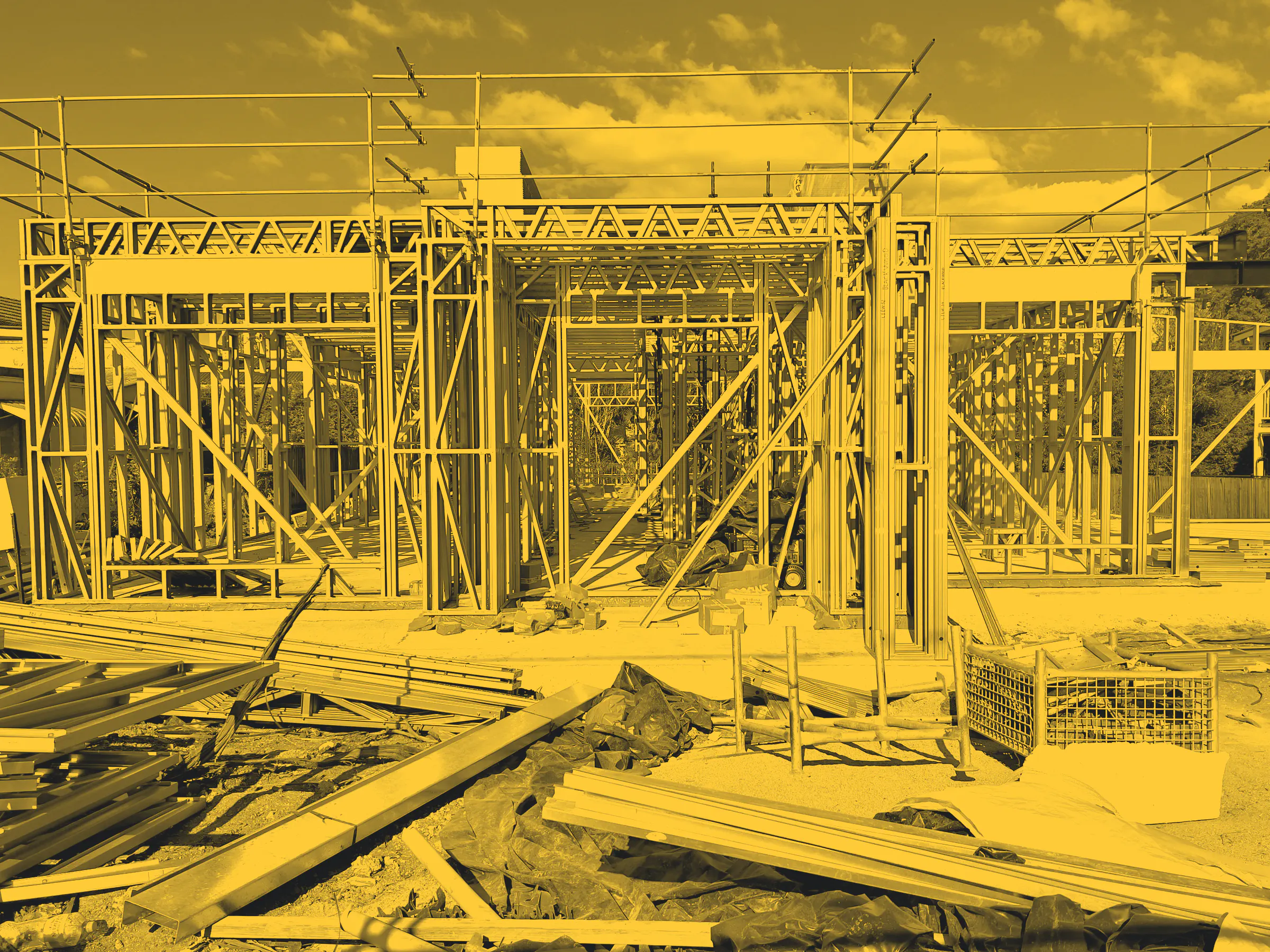
Examples of the claims builders insurance can respond to. Whether a claim is paid, and how much, is up to the insurer under your policy.
A storm hits the frame
A storm tears off wrap and sheeting and soaks the frame on a half-built house. Contract works cover can respond to damage to the works themselves while they're underway, depending on the policy.
Materials go from an open site
A hot water unit, timber and appliances delivered for the job are taken overnight. Contract works can cover materials on site for the job, within the policy's limits (the most the policy pays for a claim) and conditions.
Damage next door
Digging footings undermines the neighbour's fence and cracks their path. Damage to someone else's property caused by your work can fall under public liability, but some policies limit damage from vibration or from taking away the support next door, so check the wording.
Someone gets onto the site
A child gets through a gap in the fencing and is hurt on a stack of materials. Injury to a member of the public can fall under public liability, and how the site was secured will matter to the insurer.
A subbie's work causes damage
A subcontractor's mistake floods part of the client's existing home. The claim can come to you as the builder, so check every subbie's certificate of currency (the insurer's short document showing their policy is current) before they start.
A worker is hurt
An apprentice or labourer falls from a scaffold and can't work. Workers comp for employees runs under each state's scheme, separately from public liability.
What it usually doesn't cover.
Every policy is different, and the policy wording is what counts. These are the usual gaps.
- The cost of fixing defects in your own work, including design faults
- Home warranty or home indemnity insurance: your business insurance doesn't replace the cover the law asks for on residential jobs
- Design, drafting and certification advice: that's professional indemnity
- Damage to the works after handover, outside any maintenance period the policy sets
- Delays, penalties and liquidated damages under the building contract
- Plant the policy doesn't list, and work you didn't declare, such as demolition, underpinning or building above the height on your policy
The covers builders ask about.
In the order most builders think about them. Each one is explained on its own page.
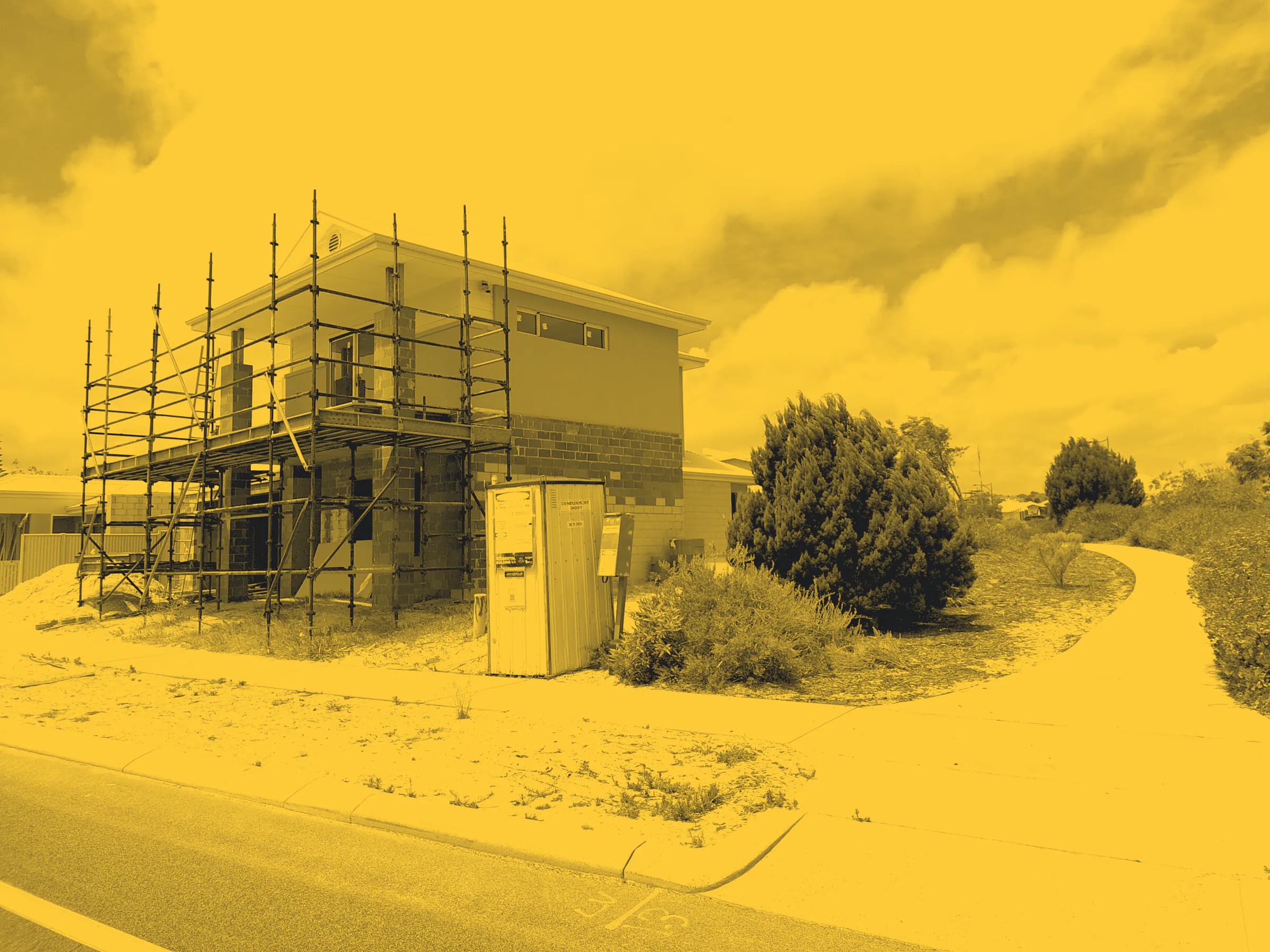
- Contract worksStorm, fire and theft on a job underway often sit with the builder until handover. Contract works is for the works and materials on site.
- Public liabilityDamage next door, injury to the public on or near your site, and claims about finished work. Builders public liability insurance is what clients and head contracts ask to see.
- ContractorsRunning subbies, or subbing to a bigger builder yourself? What head contractors ask for, and what to collect from your own subbies.
- Workers compEmploying a crew or apprentices? Workers comp for employees runs under each state's scheme, and how subbies are treated varies by state.
- ToolsPower tools, levels, compressors and site gear, for theft and damage up to the policy limits. Larger plant is usually insured separately.
- VehiclesThe utes, tippers, trucks and trailers that move your crew and materials. Commercial vehicle cover is for vehicles used for work, depending on the policy.
- Accident and illnessIf injury or illness stops you running jobs, personal accident and illness cover can pay a weekly benefit, depending on the policy.
- Sole tradersBuilding on your own ABN? How contract works, public liability and cover for yourself fit together when it's just you and a few subbies.
Licences and site rules.
- Contracts
Head contracts, developers and government jobs often set the insurance: contract works for the contract value, a public liability limit, and certificates of currency before you start. Read the insurance clause before you sign.
- Western Australia
In WA, check with Building and Energy when building work needs a registered building contractor, and where the registration rules apply.
Builders' registration, Building and Energy WA(opens in a new tab)- WA home indemnity
In WA, check with Building and Energy when residential work needs home indemnity insurance and when the builder has to arrange it.
Home indemnity insurance, Building and Energy WA(opens in a new tab)- New South Wales
In NSW, check with icare when residential building work needs Home Building Compensation Fund cover and when it has to be in place.
Home Building Compensation Fund, icare NSW(opens in a new tab)- Victoria
In Victoria, check with the state's building regulator when domestic building work needs home warranty insurance.
Insurance for domestic building work, Building and Plumbing Commission(opens in a new tab)- Queensland
In Queensland, check with the QBCC when residential work needs cover under the Queensland Home Warranty Scheme and how the premium is paid.
Queensland Home Warranty Scheme, QBCC(opens in a new tab)- Other states
Builder licences, and any home warranty rules, are set by each state. Check with your building regulator, and tell us what it asks for.
What sets the price.
- The type of building: renovations, new homes, multi-unit or commercial
- The value of your contracts, and your turnover
- The public liability limit you choose, or the one a contract sets
- The heights you build to
- How many people work for you, and how much you subcontract
- The tools, plant and equipment you insure
- The state you work in
- Your claims history
On the quote form
Pick the one that matches your work. Not sure? Pick the closest and tell us in the comments.
- Builders - No Height Restriction
- Builders - 15m Height Restriction
How to get builders insurance.
Tell us about your projects.
Renovations or new builds, typical contract values, your turnover, the heights you build to, your crew and subbies, and what your contracts ask for. Use the quote form or call us.
We get you quotes.
We ask insurers for quotes and come back to you with what each one covers and what it doesn't, contract works included.
Choose, then start work.
Cover starts once you pick a policy and the insurer agrees to it. Then ask us for certificates of currency for your clients and head contracts.
Builders: your questions.
What insurance do I need as a builder?
Insurance for builders usually starts with public liability and contract works, because clients and head contracts ask for both, plus workers comp once you employ anyone. Tools, plant, vehicles and personal accident cover for yourself usually come next. Residential jobs can also need home warranty insurance under your state's rules, which is separate from your business cover. What suits you depends on your projects, so talk it through with a broker before you decide.
How much does builders insurance cost?
There's no set price. The insurer works it out from the type of building you do, your contract values and turnover, the limits you choose, the heights you build to, how many people work for you and how much you subcontract, the plant you insure, your state and your claims history. Tell us about your projects and we'll get you quotes.
Do builders need public liability insurance?
It's often required by clients, developers and head contracts before you start, and many contracts set the limit. Builder licences and registration are set by each state, so check the rules for yours with the building regulator, and keep a certificate of currency handy for every job.
How much public liability tradies needWhat is the difference between builders insurance and home warranty insurance?
Builders insurance is for your business: damage to the works while they're underway, claims from people your work injures or whose property it damages, your crew, tools and vehicles. Home warranty insurance protects the home owner, not your business. In WA it's called home indemnity. Each state's scheme works differently, so check the state rules on this page. Owner builder cover, for people building their own home, is different again.
Do I need contract works on every job?
Not always. It depends on who carries the risk of damage to the works under the contract. Head contracts and clients often ask the builder to insure the works for the contract value, while some owners or developers insure the works themselves. Read the insurance clause before you sign, and tell us what it asks for. Whether an annual policy or one job at a time suits you is on the contract works page.
Contract works insuranceDoes builders insurance cover my plant and equipment?
Portable tools and site gear can sit under tool cover. Larger plant, such as a bobcat, a mini excavator or a scissor lift, is usually insured on its own, and hired plant may need cover under the hire agreement. Tell us what you own and hire when you ask for a quote.
Should my subbies carry their own insurance?
Ask every subbie for a certificate of currency before they start, and check it covers the work they're doing for you.
Protecting yourself when you hire subbiesSort your cover.
Monday to Friday, 9am to 5pm. Or email mate@tradies365.com.au.