Contract works insurance for tradies and builders
Contract works insurance, a type of construction insurance, for builders, principal contractors and trades who take on building jobs. It's for loss of or damage to the works themselves, the structure and the materials on site, while the job is underway and until handover, and it's often a condition of the head contract. Tell us about the project and our brokers get you quotes.
5.0 from 6 Google reviews, October 2026(opens Google in a new tab)
General advice only. Read the policy documents we send with your quote before you decide.
What it can cover.
Examples of what this cover is for. What a policy covers, and whether a claim is paid, is up to the insurer under the policy wording.
Damage to the works
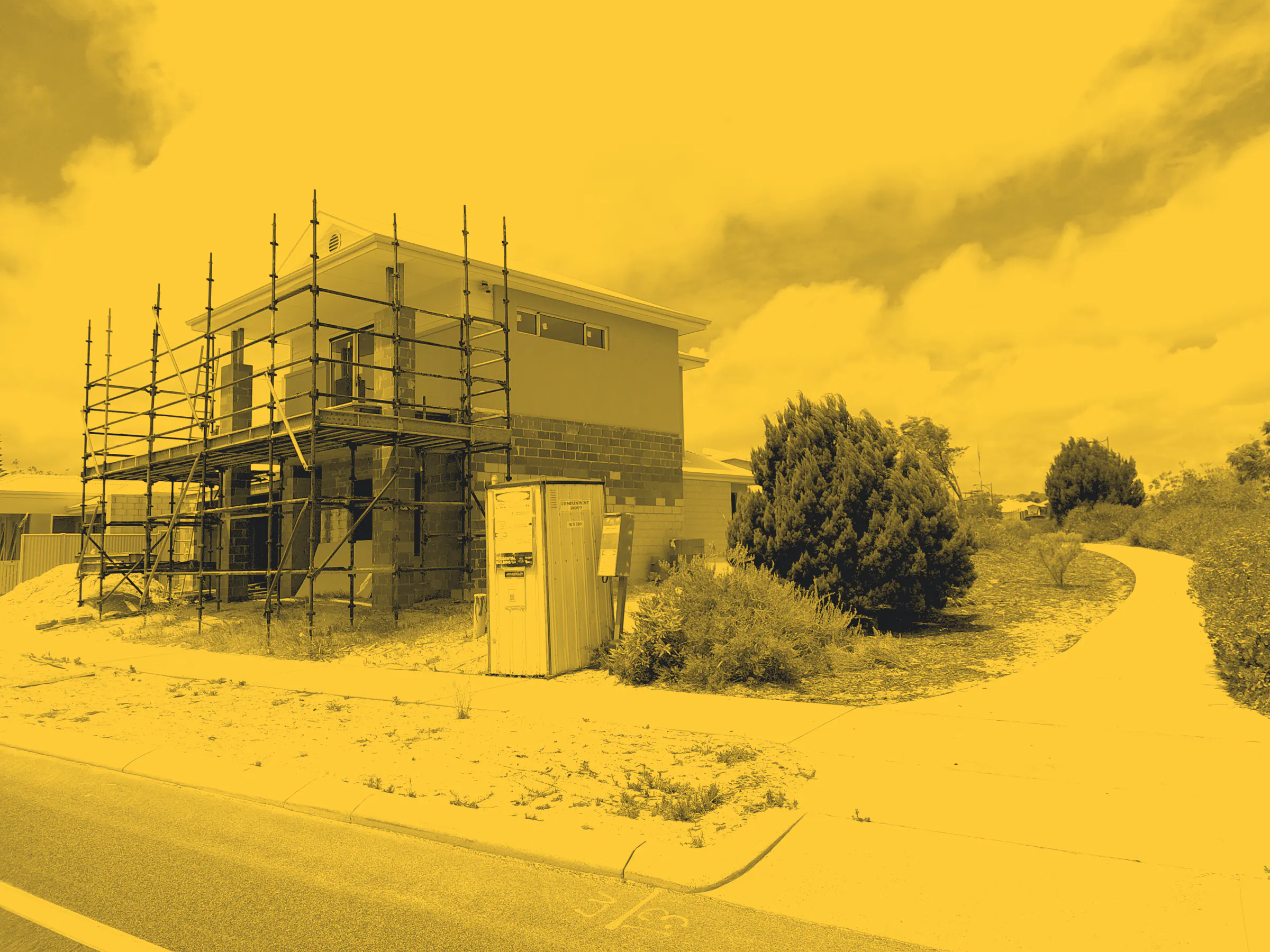
For example, a storm strips the roof sheets off a frame before it's closed in, or a fire starts in the build. Loss of or damage to the works under construction, from events the policy covers, is what contract works is for.
Materials on site
Timber, bricks, windows and fittings delivered to site and waiting to go in. Theft of or damage to materials for the job can be covered, and some policies also cover materials in transit or stored off site.
Temporary works
Scaffolding, formwork, hoarding and site sheds put up for the job can be included, depending on the policy and who owns them.
Work by your subcontractors
The framing, plumbing and electrical work your subbies put in becomes part of the works. Contract works can also cover work carried out by others on the job, including subcontractors, depending on the policy.
Renovations and existing buildings
Working on an extension or a renovation? Some policies can cover the existing structure too, where your contract makes you responsible for insuring it. Tell the insurer it isn't a new build.
From site start to handover
Cover runs for the period the policy sets, usually until handover to the owner. Until the owner accepts the finished job, or another policy starts, the works can still be your responsibility.
What it usually doesn't cover.
These are the usual gaps, and what covers them instead. Every policy is different: the wording is what counts.
- Injury to people or damage to neighbouring property: that's public liability, unless the policy includes it
- Redoing faulty workmanship, materials or design (damage it causes may be covered)
- Your own tools and mobile plant, unless the policy includes them: tool and plant cover
- Wear and tear, rust and gradual deterioration
- Delays, penalties and lost profit when a job runs late, unless the policy includes them
- Project management and other overheads your business runs up on the job
- Injury to your workers: that's workers compensation
Who usually carries it.
- Builders and principal contractors on a head contract
- Trades who contract directly with the owner on construction work
- Renovation and extension builders
- Anyone whose contract asks them to insure the works
How to get contract works insurance.
Tell us about the job.
Fill in the quote form or call us. Tell us the contract value, what you're building and where, the start and finish dates, and the insurance clause in the head contract.
We get you quotes.
We ask insurers for quotes on a single project or an annual policy, and show you the sum insured (the most the policy pays), the excess (what you pay towards a claim) and what the contract asks for.
Choose, then send the certificate.
Cover starts once you pick a policy and the insurer agrees to it. Send the certificate of currency (proof the policy is current) to the principal before you start on site.
Contract works by trade.
Each trade page explains the risks and the covers that matter for that work.
Contract works: your questions.
How is contract works different from public liability?
Contract works is for the job itself: the structure and materials you're building, if they're damaged before handover. Public liability is for claims from other people: injury to a member of the public, or damage to their property, like a neighbour's fence or car. A builder on a head contract usually carries both, and the contract often names each one.
How much does contract works insurance cost?
The insurer sets the price. It looks at the contract value, or the value of the jobs you run in a year, the type of construction, the materials, where the site is, how long the job runs, the excess you choose, your claims history and anything extra the contract asks for. Tell us about the job and we'll get you quotes.
Do I need contract works insurance as a subcontractor?
Often not your own policy. On many jobs the builder or principal insures the whole works, and that policy may also cover the work subcontractors carry out. Some subcontracts make you insure your own part of the works, though, so read the insurance clause and ask the head contractor for their certificate of currency. Your own public liability and tool cover, and workers comp if you employ anyone, are still yours to arrange.
Annual policy or one job at a time?
For builders, contract works insurance is often an annual policy: if you have a steady run of jobs, one policy can cover every project up to a set contract value. A single larger project, or one outside your usual work, may need a policy of its own. Tell us about the jobs you have coming up and we'll get you quotes.
What about the insurance clause in my contract?
Read the insurance clause before you sign and send it to us with your quote request; the works are often insured by the builder or principal, and the contract says what proof to show.
What head contractors ask subbies forWhat is contract works, in one line?
Cover for loss of or damage to the works under construction, and the materials for them, until handover.
What is contract works insurance?Which parts of a job can it cover?
The works, materials on site, and often temporary works and the work your subcontractors carry out, depending on the policy.
What does contract works insurance cover?How does the excess work on a claim?
The excess is the amount you pay towards each claim. A higher excess usually means a lower premium, and a policy can set different excesses for different events.
How the excess works on contract worksIs it the same as an all risks policy?
Often, yes: insurers and contracts use different names for cover on the works under construction. The policy wording, not the name, says what's covered.
Contractors all risk insuranceSort your cover.
Monday to Friday, 9am to 5pm. Or email mate@tradies365.com.au.