Hiring Staff as a Handyman? Insurance to Check
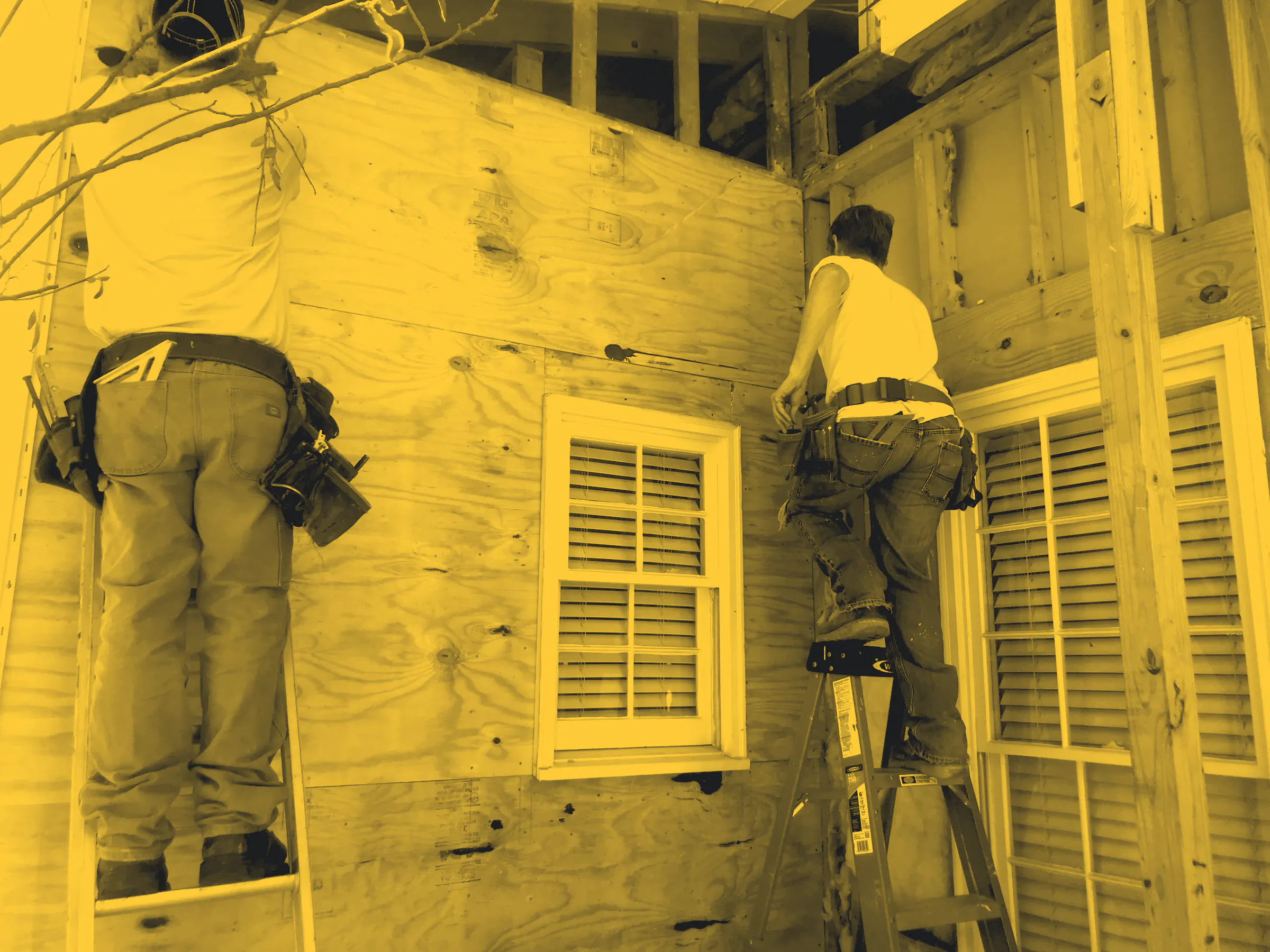
Handyman insurance for businesses, which usually starts with public liability insurance, is a type of tradies insurance designed to protect handyman businesses from various risks and liabilities associated with their operations. Handymen typically perform a wide range of tasks, such as home repairs, maintenance, installations, and renovations. While these services can be helpful, they also carry inherent risks. Accidents, property damage, or injuries can occur while working on client projects, and the resulting financial and legal consequences can be significant.
Taking on staff or subbies: what changes
When a handyman business grows from one person to a small crew, a few insurance questions change:
- Workers compensation: Once you employ anyone, Australian law says you must have insurance to cover your workers in case they get sick or injured because of work, and each state and territory has its own scheme (Safe Work Australia). Read more about workers compensation insurance.
- Subcontractors: Ask each subbie for a certificate of currency (proof their policy is current), and check whether your own public liability covers work they do for you, because some policies don't. Read more about contractor and subcontractor insurance, and whether subcontractors need their own public liability insurance.
- Bigger jobs and more gear: As the business grows, tell the insurer about changes to your turnover, the number of people working for you and the tools and equipment you carry, so the policy still matches the work. Bigger clients may also ask for a higher public liability limit.
Covers handymen look at
Depending on the policy, handyman insurance can provide cover for the following areas:
Public liability
This cover can protect against third party claims for bodily injury or property damage caused by the handyman's work. For example, if a client trips over tools left on the floor and sustains an injury, or if the handyman accidentally damages a client's property, public liability insurance may help cover the associated costs, up to the policy limit.
Products and completed work
Public liability policies often include cover for claims arising from work you have already completed, such as injury or damage caused by a faulty installation after you have left the job. It usually does not pay to fix the faulty work itself.
Property insurance
Handyman insurance may also include cover for the handyman's tools, equipment, and supplies, protecting against theft, loss, or damage.
Insurance can help with the cost of a claim, depending on the policy. What a policy covers depends on its wording, limits, excesses and exclusions, and the insurer decides whether a claim is paid, so read the PDS (product disclosure statement) or policy wording before you decide.
Understanding handyman business insurance
Public liability insurance
Handyman business insurance includes vital coverage options, such as public liability insurance. This component can protect the handyman's business in cases of third party claims for bodily injury or property damage resulting from their work. It can cover the costs associated with accidents or damage during their services, depending on the policy.
Professional indemnity insurance
Professional indemnity insurance is for claims that your advice or design caused a client a financial loss. Many handymen don't give that kind of advice, so ask whether it applies to your work.
Workers compensation insurance
Workers compensation insurance matters once you hire staff (see taking on staff or subbies, above). It can provide cover for employees' medical expenses and lost wages in the event of work related injuries or illnesses. This insurance helps protect the handyman's business and supports employees who are hurt at work. Together, these covers can form a safety net for a handyman's business, depending on the policies.
Insurance for self-employed handymen
Insurance matters for a self-employed handyman. As contractors working for themselves, they face their own risks and liabilities while providing their services. Insurance can help protect them against unforeseen events and potential financial losses, depending on the policy. Public liability insurance can protect handymen from third party claims, such as property damage or bodily injuries caused during their work. Without insurance, a single lawsuit or accident could jeopardise the handyman's business and personal assets.
The potential risks and liabilities faced by handymen
These are illustrations, not real claims. Whether a policy pays depends on its wording, limits and excesses, and the insurer decides.
Accidental property damage
While working on a project, a handyman accidentally knocks over a ladder, causing it to fall and damage expensive furniture in a client's home. Without insurance coverage, the handyman would be personally liable for the cost of repairing or replacing the damaged furniture.
Bodily injury
During a home renovation project, a handyman's power tool malfunctions and injures a client. The client incurs medical expenses and decides to sue the handyman for negligence. Without insurance, the handyman would be responsible for covering the injured party's medical costs and legal expenses associated with the lawsuit.
Faulty workmanship
A handyman is hired to fit a new kitchen tap. Due to an error in the installation, the joint leaks overnight and water damages the client's floors and cabinets. The client holds the handyman responsible for the damage and files a claim. Public liability insurance may help the handyman with the claim for the water damage, though not with the cost of redoing the tap.
Slip and fall
While performing repairs on a client's roof, a handyman inadvertently leaves a tool on the ground, causing the client to trip and fall. The client sustains injuries and files a personal injury claim against the handyman. Public liability insurance may help cover the client's medical expenses and legal fees.
Damage to a client's property
A handyman is hired to paint a room in a client's house. Accidentally, the handyman spills paint on expensive carpeting, causing permanent stains. The client insists on compensation for the damage. Public liability insurance may help cover the cost of replacing or repairing the damaged carpet.
Contractual requirements
Some clients or larger companies may require handymen to have insurance coverage before they can be hired. Without insurance, handymen may lose out on potential contracts or clients who demand proof of insurance as part of their selection criteria.
How insurance can help a handyman's business
- Insurance can protect handymen from potential legal and financial liabilities.
- Insurance helps handymen meet contractual obligations and insurance requirements set by clients and businesses.
- Insurance can help with the cost of a claim, depending on the policy.
Consequences of not having handyman business insurance
Without insurance coverage, handymen bear full responsibility for accidents, damages, or injuries that occur during their work. The absence of insurance leaves handymen vulnerable to costly legal consequences and liabilities such as:
- Costly legal defence: Handymen without insurance would be responsible for covering the full cost of legal defence if they are sued. This includes lawyers' fees, court costs, and any other expenses related to the legal proceedings.
- Potential judgments or settlements: If a handyman is found liable for damages or injuries caused during their work, they may be required to pay compensation to the affected party. This can include court judgments or negotiated settlements, which can be financially significant.
- Personal financial liability: Without insurance coverage, handymen may be personally responsible for paying any damages or settlements awarded against them. This can put their personal assets, such as savings or property, at risk.
- Difficulty in obtaining future work: A legal dispute or negative legal outcome can damage a handyman's professional reputation, making it harder to secure future projects or contracts. Clients may be reluctant to hire a handyman with a history of legal issues.
- Breaking the law if you employ staff: Under Australian law, employers must have insurance to cover their workers in case they get sick or injured because of work (Safe Work Australia).
- Inability to fulfil contractual obligations: Some clients or projects may require handymen to have insurance coverage. Without it, handymen may be unable to secure certain contracts or fulfil the requirements of existing agreements.
- Difficulty obtaining future insurance: Handymen without a history of insurance coverage may face challenges when trying to secure insurance in the future. Insurers may view them as high risk clients, which can mean higher premiums or denial of cover.
We have a complete article on the other consequences of working without insurance. Read more about the risks of working without insurance.
Financial burden that could be imposed on the handyman's business and personal assets
The lack of insurance coverage can impose an overwhelming financial burden on handymen. The potential expenses and liabilities resulting from accidents or damages can lead to financial ruin or bankruptcy. Additionally, without insurance, handymen may face difficulties in securing contracts or working with clients who have insurance requirements. This lack of coverage compromises the financial stability of their business and jeopardises their professional reputation.
Tradies365: insurance for handymen and other trades
Tradies365 is run by the brokers at Connect Business Insurance and arranges insurance for handymen and other trades Australia-wide. Our brokers ask about the work you do and get you quotes for the cover you ask for, such as public liability insurance and tool insurance, and can arrange workers compensation in every state and territory if you employ staff.
What working with Tradies365 looks like
Plain-English answers, and a real person on the phone, Monday to Friday, 9am to 5pm. Call during business hours and you talk to a person, who can help you understand your options before you decide.
General requirements for handyman insurance
The general requirements for handyman insurance may vary depending on the insurer and the specific needs of the handyman's business. To obtain insurance as a handyman, the following may typically be needed:
- Business information: Provide basic details about your handyman business, such as the business name, address, contact information, and the number of years in operation.
- Cover limits: Determine the coverage limits you require for various insurance policies, such as public liability or property insurance. This will depend on the size of your business, the types of services you offer, and your risk exposure.
- Description of services: Clearly outline the scope of services you provide as a handyman. This helps insurers assess the level of risk associated with your work.
- Annual revenue and payroll: Provide an estimate of your annual revenue and the amount you pay in wages to any employees or subcontractors. This information helps insurers work out the premium for your policy.
- Certificates of currency: In some cases, insurers may ask for certificates of currency from any subcontractors you work with, to check they also have their own cover.
- Licences and certifications: Provide proof of any required licence or certifications for your handyman business. This may vary depending on local regulations.
- Claims history: Be prepared to disclose any previous claims or losses you have experienced. This information helps insurers assess your risk profile.
- Safety measures: Describe any safety protocols, training programs, or risk management practices you have implemented to minimise potential hazards and reduce risks.
Tradies365 can help handymen get quotes: tell us about your work and we'll ask insurers to quote on the cover you ask for. Read more about handyman insurance for self-employed handymen, or contact Tradies365 to talk through your handyman business.
General advice only. Read the policy documents we send with your quote before you decide.