
Workers Comp in WA: What Must Employers Know?
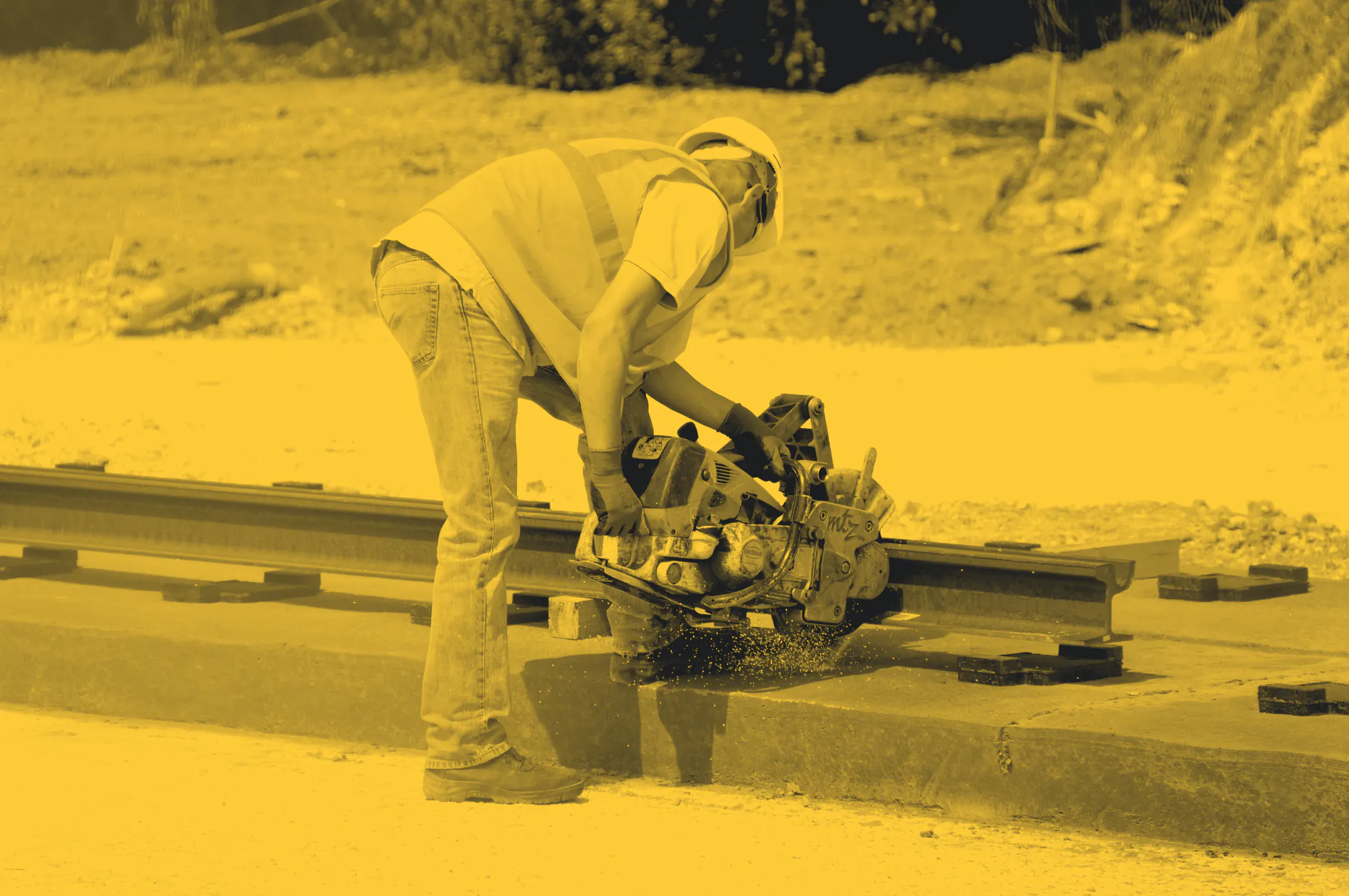
If you run a trade business in Western Australia and you employ workers, whether full-time, part-time, seasonal or apprentices, workers compensation is not optional. It is a legal requirement across every Australian state and territory (Safe Work Australia), and the penalties for failing to carry the correct cover are significant. It is also part of looking after the people who work for you and the business you have built.
This article covers what workers comp covers, who WA employers must cover, how premiums are worked out, what the legal requirements mean for tradie employers in WA, and how Tradies365 can help trade businesses with their cover.
What workers comp covers in WA
Workers compensation is a compulsory policy that covers workers who are injured or develop an illness as a result of their work. When a worker on your team has a work-related injury, whether from a fall on a construction site, a tool-related accident, or a repetitive strain condition developed over time, workers compensation can provide financial support during their recovery.
Coverage typically includes medical treatment expenses, weekly income payments while the worker is unable to work, rehabilitation and return-to-work services, and in serious cases, lump-sum compensation for permanent impairment. In WA, once a claim is accepted, the law requires you to pay the injured worker's weekly payments on the usual pay day, as if they were still at work (WorkCover WA). Your insurer decides the claim, so ask it how the weekly payments are handled.
It is important to understand that workers compensation is not the same as public liability insurance or income protection. Workers compensation specifically covers your employees for injuries and illnesses arising from their work. It is the policy that sits at the centre of your legal obligations as a tradie who employs other people. WorkCover WA also notes that a personal sickness and accident policy cannot be used in place of a workers compensation policy (WorkCover WA).
Who WA employers must cover
In Western Australia, any tradie who employs one or more workers is legally required to hold workers compensation insurance. WorkCover WA says employers must have cover for anyone the law defines as a "worker", and that the definition is very broad (WorkCover WA). Check its employer FAQs for who that includes before you decide someone doesn't need cover.
Other states have their own rules, so check with the workers compensation authority where you work.
If you take on an apprentice, or bring in a casual labourer for a busy month, check whether they count as your worker before they start. The legal requirement applies from the moment you engage a worker, and so do the penalties for not meeting it.
How WA premiums are worked out
Workers compensation is priced differently from most other insurance types. As well as the type of work you do, premiums are tied to two key variables: the total wages you pay your workers and the claims history of your business.
Wages-based pricing
Workers compensation premiums are generally worked out as a percentage of your total annual wages. In WA, WorkCover WA explains how premiums are set and what you declare each year (WorkCover WA). Rates vary with the industry classification of your business, and higher-risk trades such as roofing, scaffolding, and demolition generally carry higher rates than lower-risk classifications. As your wage bill grows, your premium grows with it.
Claims history and experience rating
Beyond the base rate, your claims history can play a significant role in what you pay. Businesses with more frequent or more costly claims may see their premiums rise; some schemes do this through a mechanism called experience rating. This means that investing in workplace safety, providing proper training, and maintaining safe work environments has a direct financial benefit: it can help keep your workers compensation premium down over time.
State scheme differences
Each Australian state and territory operates its own workers compensation scheme with its own rules, rates, and processes. WorkCover WA governs Western Australia, SIRA regulates the scheme in New South Wales, WorkSafe Victoria covers Victoria, and similar bodies operate in each other state and territory. Safe Work Australia keeps a list of the workers' compensation authorities. The rules around claims management, return-to-work obligations, and premium calculations vary between these schemes, which is one of the reasons many tradie employers work with an insurance broker rather than navigating the requirements alone.
WA employer obligations and penalties
Workers compensation is governed by legislation in every Australian state and territory. In Western Australia it is the Workers Compensation and Injury Management Act 2023. As an employer in the trades in WA, your obligations cover holding a current policy for your workers, passing on claims, injury management and return to work, keeping records and declaring your wages. WorkCover WA's employer FAQs set out what each one involves, so check them before you take on your first worker.
The penalties for operating without workers compensation insurance are substantial and vary by state. WorkCover WA sets out the penalties for employers in Western Australia (WorkCover WA). In addition to the penalties, an uninsured employer is liable for the cost of the statutory benefits if a worker is injured, which can also involve significant legal costs (WorkCover WA).
How Tradies365 helps tradie employers with workers compensation cover
Working out classification codes, premium structures and the rules of the scheme you are in is genuinely complex. Tradies365 arranges insurance for trade businesses, and workers compensation is one of the most important policies for tradies who employ people.
When you work with Tradies365, we ask about your business structure, the type of work you do, the workers you employ, and where you operate. We use that information to check how your cover is set up and get quotes from insurers. We can arrange workers compensation in every state and territory, so this help isn't limited to WA.
We also help at renewal with your wages declaration and with policy changes when your business changes.
To discuss workers comp for your trade business, contact Tradies365, Monday to Friday, 9am to 5pm.
Frequently asked questions
Are my subbies counted as workers in WA?
They can be. Some contractors and subcontractors count as workers in WA, so check with WorkCover WA before you decide they don't need cover. Read more about workers comp for subcontractors.
What happens if one of my workers is injured and I don't have workers compensation insurance?
In WA, if you do not hold workers compensation insurance and a worker is injured, you or your company become liable for the cost of the worker's statutory benefits, including medical treatment, rehabilitation, and income replacement. This can also involve significant legal costs, on top of the penalties for being uninsured.
I only have one apprentice. Do I still need workers comp insurance?
Usually, yes. In Western Australia, employers must cover anyone the law defines as a worker, so check with WorkCover WA how that applies to your apprentice before you decide you don't need a policy. Other states have their own rules, so check with the workers compensation authority where you work.
Can I reduce my workers compensation premiums over time?
It is possible. Your workers compensation premium can be affected by your claims history. Businesses that invest in workplace safety, conduct regular toolbox talks, provide proper personal protective equipment, and maintain safe site conditions may see lower premiums over time than businesses with frequent or costly claims.
General advice only. Read the policy documents we send with your quote before you decide.