What Claims Do Earthmoving Businesses Face?
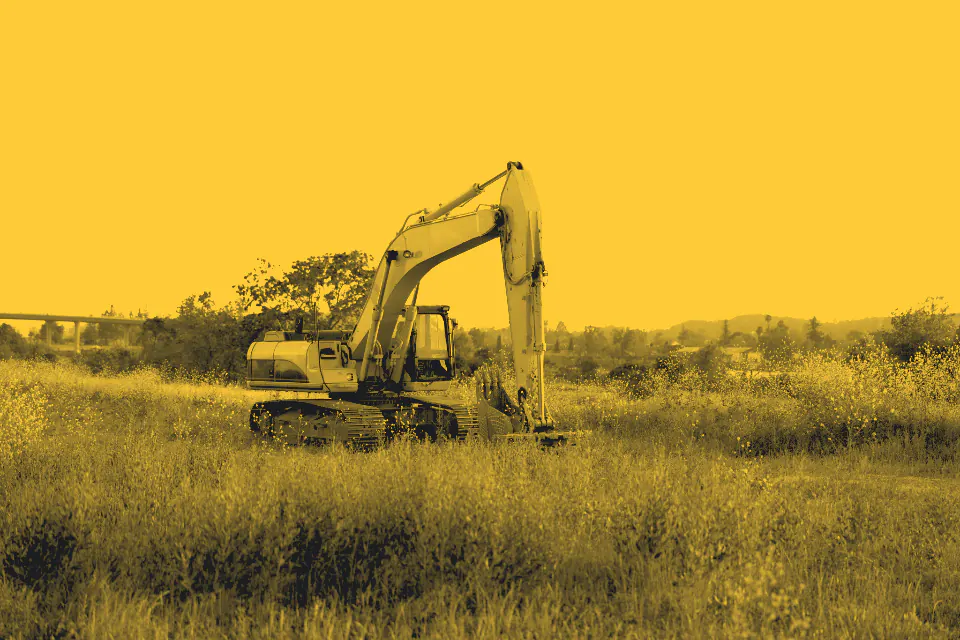
Earth moving equipment is essential for construction projects, but it comes with risks. Accidents happen, and damage can be costly. That's why it's important to have earthmoving insurance for your business. In this guide, we'll discuss common claims and coverage issues or disputes you may encounter and what to check in your cover. Whether you're a contractor or have your own equipment, understanding these issues can save you time and headaches when you claim on your insurance.
Accidents and injuries to workers and the public
Here are some common disputes that arise in relation to accidents and injuries to workers and third parties involving earth movers:
- Liability Coverage: If a member of the public is injured in an accident involving an earth mover, public liability insurance may respond, depending on the policy. Injuries to your own workers are a workers compensation matter (next point). The dispute may arise over whether the earth mover operator was at fault, or whether the injured party was acting negligently.
- Workers' Compensation: If a worker is injured while operating an earth mover, the worker is generally covered by the employer's workers compensation insurance under the state scheme. Disputes may arise over whether the injury was work-related, or whether the worker was acting outside the scope of their employment.
- Third-Party Liability: If a third party, such as a pedestrian or another driver, is injured in an accident involving an earth mover, the owner or operator of the machine may be held liable for damages. Disputes may arise over whether the third party was at fault, or whether the earth mover operator was negligent. Accidents on the road are usually a matter for commercial vehicle insurance and the third party personal injury insurance that is often part of your vehicle registration (business.gov.au), not public liability.
- Negligence: Negligence is a key issue in many claims involving earth movers. Disputes may arise over whether the earth mover operator acted negligently, such as by failing to maintain the equipment, failing to properly supervise workers, or failing to follow safety protocols.
- Insurance Coverage: Finally, disputes may arise over insurance coverage for accidents involving earth movers. For example, the insurance policy may contain exclusions for certain types of accidents or may limit coverage for certain types of damages.
Property damage to the site or neighbouring properties
With any heavy machinery, accidents can happen, which can lead to claims and coverage disputes. Damage to the site or neighbouring properties often leads to claims and disputes. Here are some common disputes that arise in relation to property damage caused by earth movers:
- Public liability: Public liability can respond to damage your work causes to the site owner's or neighbours' property, depending on the policy. Disputes can arise over whether the earth mover caused the damage or it came from storms or existing damage.
- Negligence: Negligence is a key issue in many claims involving earth movers. Disputes may arise over whether the earth mover operator acted negligently, such as by failing to properly operate the machine or by failing to follow safety protocols.
- Third-Party Liability: If the property damage extends to the neighbouring properties, the owner or operator of the earth mover may be held liable for damages. Disputes may arise over whether the earth mover operator was at fault, or whether the neighbouring property owner was responsible for maintaining their property.
- Insurance Coverage: Insurance coverage disputes may arise over property damage claims involving earth movers. The insurance policy may contain exclusions for certain types of damage or may limit coverage for certain types of property.
- Pre-Existing Damage: Finally, disputes may arise over pre-existing damage to the site or surrounding properties. The dispute may centre on whether the damage was pre-existing or whether it was caused by the earth mover.
Damage to underground services
Hitting a water main, gas line, power cable or communications line while digging can lead to a large claim. Public liability can respond to damage you cause to underground services, depending on the policy, but many policies set conditions, such as getting plans and locating services before you dig, and some have a higher excess for service damage. Read more about earthmoving insurance.
Damage to equipment
Damage to machines and equipment often leads to disputes. Here are some common disputes that arise in relation to equipment damage involving earth movers:
- Cover for the machine: Damage to your own machine is not a public liability matter; cover for the machines themselves is a separate policy, so ask us about it. Disputes can arise over whether damage came from an accident, the weather or wear and tear.
- Maintenance and Upkeep: Maintenance and upkeep of earth movers are essential to keep them in good working condition. Disputes may arise over whether the owner or operator of the equipment maintained it properly, such as by keeping it clean, checking for wear and tear, and performing regular maintenance tasks.
- Wear and Tear: Earth movers are subject to wear and tear due to their heavy usage. Disputes may arise over whether the damage was caused by normal wear and tear or by negligence or misuse of the equipment.
- Insurance Coverage: Insurance coverage disputes may arise over equipment damage claims involving earth movers. The insurance policy may contain exclusions for certain types of damage or may limit coverage for certain types of equipment.
- Operator Error: Disputes may arise over whether the operator of the earth mover was properly trained or whether they acted negligently.
Working without proper insurance can be highly risky. Learn more about the risks involved without having insurance for your business.
Delay claims
Here are some common disputes that arise in relation to delay claims involving earth movers:
- Insurance Coverage: Insurance coverage disputes may arise over delay claims involving earth movers. The insurance policy may contain exclusions for certain types of delay claims or may limit coverage for certain types of damages.
- Contractual Agreements: Contracts between the owner or operator of the earth mover and the client may include provisions for delays and disputes that may arise. Disputes may arise over whether the contractual agreement has been breached, or whether the delay was caused by factors beyond the control of the parties involved.
- Force Majeure: Force majeure clauses are included in contracts to cover events beyond the control of the parties involved, such as natural disasters, wars, or government regulations. Disputes may arise over whether the delay was caused by a force majeure event and whether the parties involved are entitled to relief under the contract.
- Inefficiency Claims: Inefficiency claims are made when the delay is caused by the inefficiency of the other party, such as a subcontractor or supplier. Disputes may arise over whether the other party was at fault for the delay or whether the delay was caused by factors beyond their control.
- Liquidated Damages: Liquidated damages are pre-agreed damages that are payable if a project is delayed. Disputes may arise over whether the liquidated damages are reasonable or whether the delay was caused by factors beyond the control of the parties involved.
Environmental claims
Environmental damage can be caused by a range of factors, including soil erosion, pollution, and destruction of habitats. These types of damage can result in claims for environmental cleanup, restoration, and remediation. Here are some common disputes that arise in relation to environmental insurance claims involving earth movers:
- Coverage Limits: Insurance policies for earth movers may include coverage limits for environmental damage claims. Disputes may arise over whether the coverage limits are adequate to cover the cost of environmental cleanup, restoration, and remediation.
- Reporting Requirements: Insurance policies for earth movers may require the owner or operator to report environmental damage promptly. Disputes may arise over whether the damage was reported in a timely manner, or whether the owner or operator failed to report the damage at all.
- Exclusions: Insurance policies for earth movers may contain exclusions for certain types of environmental damage. Disputes may arise over whether the damage falls within the scope of the exclusions or whether the exclusions are valid.
Contractual disputes
Contractual agreements are often in place between the owner or operator of the equipment and their clients. These contracts outline the terms and conditions for the use of the earth mover and can include provisions for insurance coverage in case of damage or loss. Common points of dispute include:
- Coverage Limits: Insurance policies for earth movers may have limits on the amount of coverage available for certain types of losses or damages. Disputes may arise over whether the limits in the policy are reasonable or whether the damage or loss exceeds the policy limit.
- Policy Exclusions: Insurance policies may exclude certain types of losses or damages from coverage. Disputes may arise over whether the loss or damage falls within the scope of the policy exclusion or whether the exclusion is ambiguous or unclear.
- Timely Notification: Insurance policies typically require that the owner or operator of the earth mover notify the insurance company of any loss or damage in a timely manner. Disputes may arise over whether the notification was timely or whether it was delayed or insufficient.
- Dispute Resolution: Contracts between the owner or operator of the earth mover and the client may include provisions for dispute resolution. Disputes may arise over whether the dispute resolution process was followed or whether the outcome was fair and reasonable.
- Misrepresentation: Misrepresentation occurs when one party makes a false statement or omits material information that is relied upon by the other party. Disputes may arise over whether the insurance policy or the contractual agreement was based on misrepresentation or whether the misrepresentation was intentional or unintentional.
Why these issues arise
Insurance claim disputes arise for various reasons. One common reason is the ambiguity or complexity of insurance policies and contractual agreements. The language used in these documents may be difficult to understand or open to interpretation, leading to disagreements over what is covered and what is not. Additionally, some parties may have different expectations or understandings of what the insurance policy or contractual agreement covers, leading to disputes when losses or damages occur. Another reason for insurance claim disputes is the nature of the losses or damages themselves. Some types of losses or damages may be difficult to quantify or may involve multiple parties, making it challenging to determine who is responsible for the costs. Finally, disputes may arise due to miscommunication, negligence, or intentional misconduct by one or more parties involved in the insurance claim.
Common contractual disputes
- Breach of Contract: This is one of the most common contractual disputes that arise when one party fails to fulfil their obligations as outlined in the contract. This can include failure to deliver goods or services, failure to pay for goods or services, or failure to meet other agreed-upon terms.
- Scope Creep: Scope creep is a situation where the scope of work agreed upon in the contract expands beyond what was originally agreed upon, which can cause disagreements and conflicts between the parties.
- Payment Disputes: Payment disputes can arise when there is a disagreement over the amount or timing of payment. This can include situations where one party feels they are entitled to more money than they received or where the payment was not made on time.
- Misrepresentation or Fraud: Misrepresentation or fraud can occur when one party provides false or misleading information during contract negotiation. This can cause significant harm to the other party and result in legal action being taken.
How to mitigate claims and coverage issues
Mitigating claims and coverage disputes involves taking proactive measures to prevent disputes from arising in the first place and responding appropriately when they do occur. Here are some strategies for mitigating claims and coverage disputes:
- Clear communication: Clear and open communication between all parties involved in the use of the earth mover can help prevent misunderstandings and disputes. It is important to have a clear understanding of the terms and conditions of the insurance policy and the contractual agreement and to document any changes or updates to these documents.
- Risk assessment: Conducting a thorough risk assessment before using the earth mover can help identify potential risks and hazards and develop appropriate risk management strategies. This can include measures such as implementing safety protocols, using appropriate protective equipment, and training workers on safe operating procedures.
- Proper documentation: Maintaining accurate and detailed documentation can help prevent disputes and provide evidence in the event of a dispute. This can include documentation of any losses or damages, maintenance and repair records for the equipment, and any communication between parties regarding the use of the earth mover.
- Prompt notification: It is important to promptly notify the insurance company of any losses or damages, as delays in notification can lead to disputes over coverage and compensation.
- Legal support: In the event of a dispute, getting advice from a lawyer can help protect your rights and help resolve the dispute fairly and in accordance with the terms of the insurance policy and contractual agreement.
Some other methods to avoid such situations include:
Safety training and awareness programs for workers
Safety training is crucial for workers in earth moving operations as it helps to prevent accidents and injuries that can result in costly claims and coverage issues. Employers can provide safety training programs that cover topics such as equipment operation, hazard recognition, and proper safety procedures. Employers can also implement safety awareness programs that promote a culture of safety among workers. These programs can include safety audits, safety committees, and regular safety meetings to discuss potential hazards and how to prevent them.
Regular equipment maintenance and inspection
Regular maintenance is crucial for preventing equipment breakdowns and keeping equipment running at peak efficiency. This can help to reduce the risk of accidents and injuries that can lead to claims and coverage issues. Employers can create a schedule for regular maintenance of earth moving equipment that includes tasks such as fluid checks, filter changes, and equipment inspections. In addition to scheduled maintenance, employers can implement a preventive maintenance program that includes regular inspections and maintenance tasks designed to identify and prevent potential problems before they occur.
Adequate project planning and risk assessment
Proper project planning involves identifying potential risks and developing strategies for mitigating those risks before work begins. This can include creating detailed project plans that outline timelines, budgets, and potential risks. Employers can conduct a risk assessment to identify potential hazards and risks associated with earth moving projects. This can help to identify potential claims and coverage disputes before they occur and allow employers to put strategies in place to reduce those risks.
Implementation of environmental protection measures
Employers can conduct an environmental impact assessment before beginning earth moving operations. This can help to identify potential environmental risks and develop a plan to mitigate them. Employers can implement erosion and sediment control measures, such as silt fences and sediment ponds, to prevent soil erosion and sedimentation that can contribute to water pollution.
Review and negotiation of contracts
The first step in mitigating claims and coverage issues related to earth moving projects is to carefully review all contracts before signing them. This can help identify potential risks or disputes that could lead to claims down the line. Employers may want to get help from a lawyer experienced in construction contracts to review and negotiate contracts, so that the contracts are fair, reasonable, and protective of their interests. A broker can tell you what insurance a contract asks for, but cannot give you legal advice.
How Tradies365 can help
Tradies365 is run by the brokers at Connect Business Insurance and arranges insurance for tradies Australia-wide, including earthmoving businesses.
- Talking through your risks: Our brokers look at the work you actually do, the machines you run and the contracts you sign, and ask insurers to quote on the cover you ask for.
- Plain-English answers: A real person on the phone when you need one, to explain what a policy covers and what it leaves out.
- If you need to claim: Call us. We manage your claim with the insurer from start to finish. The insurer decides whether it's paid and how much.
- Covers to ask about: Earthmoving insurance usually starts with public liability, then vehicle cover for the truck and float and tool cover for lasers and hand tools. We can also arrange workers compensation in every state and territory, and talk through cover for the machines themselves.
If you run an earth moving business and want to talk through your cover, contact us.
General advice only. Read the policy documents we send with your quote before you decide.