How Can Roofers Prepare for Storm Damage?
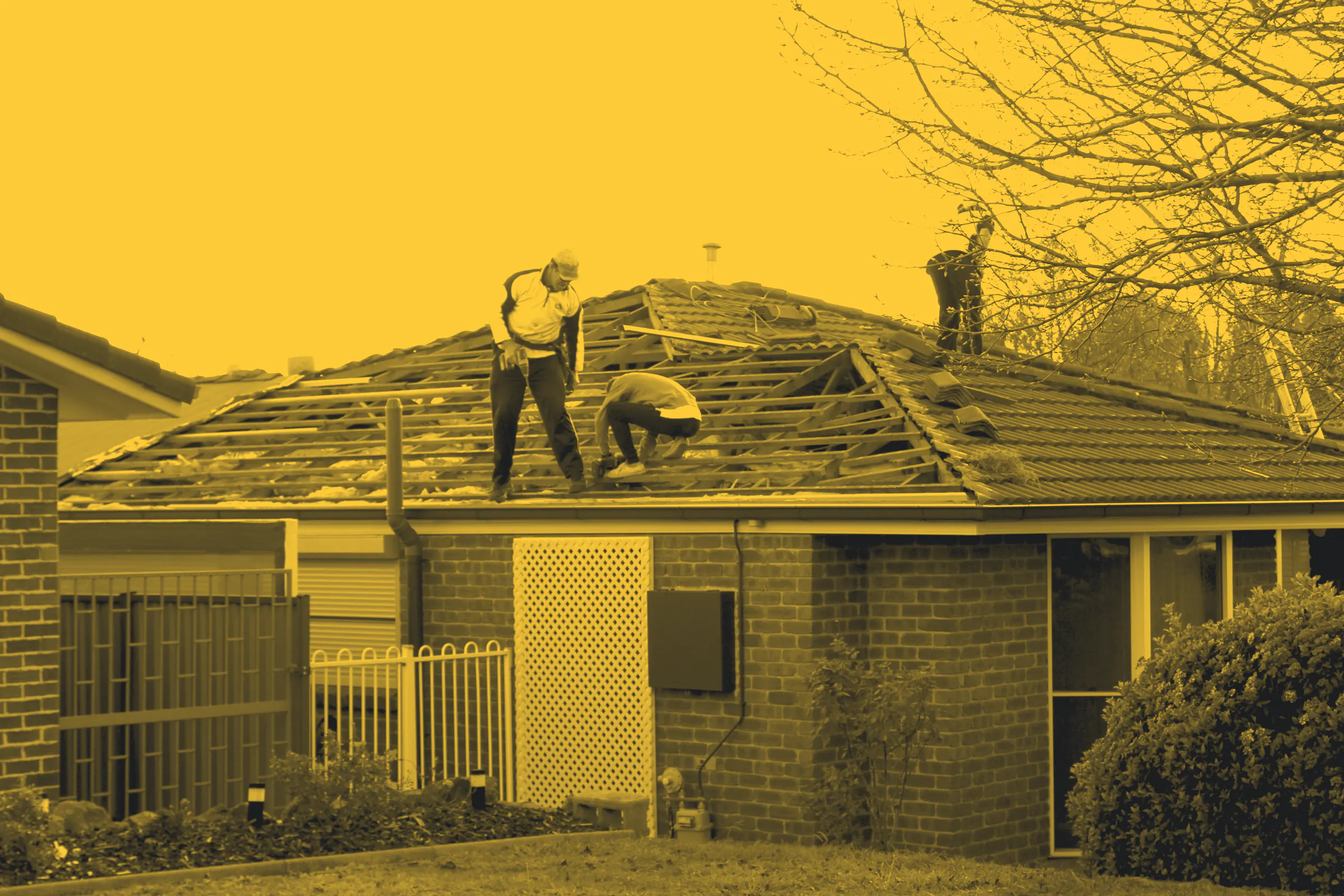
Storms are a real risk for roofers, especially with a roof opened up. Strong winds, hail, and heavy rain can cause significant damage to roofs, leading to costly repairs or even business interruption. In addition to the financial costs, storm damage can also damage your reputation and make it difficult to attract new customers.
That's why it pays to prepare the site and check your insurance before storm season. Insurance can help with the financial impact of storm damage, depending on the policy's wording, limits and excesses, but preparation on the job matters just as much.
Before a storm: protecting an open roof
When severe weather is forecast, a few steps on site can help stop a storm turning into a claim:
- Secure the roof: Secure or tarp any open sections of roof, and any loose sheets or tiles, before you leave site.
- Tie down the site: Tie down or put away materials, ladders and anything else that could blow off the roof or the scaffold.
- Take photos: Photograph the roof and the work done so far before you leave, so you have a record of how you left it.
After storm damage
If a storm does damage a roof you are working on:
- Make the site safe: Make the area safe first, and keep people away from damaged sections.
- Record the damage: Photograph the damage and keep records of what happened and when.
- Tell the insurer: Tell the insurer, or your broker, as soon as possible. Most policies require prompt notice.
What to check in your policy
Policies differ a lot on rain getting into a client's home through a roof you have opened: some need the roof made watertight at the end of each day, and some limit or exclude it, so read that part of the wording before you strip a roof. Read more about roofers insurance.
Types of insurance for roofers
Here are the main types of insurance roofers ask about:
Public liability insurance
Public liability insurance is a vital part of protection for roofing businesses, especially when it comes to the potential financial consequences of storm damage. In the context of storm damage, public liability insurance becomes crucial in handling claims from third parties who may suffer injury or property damage as a result of the roofing business's negligence during adverse weather conditions.
Depending on the policy, roofers public liability insurance can cover the following:
- Injury to other people: This type of cover can pay for medical expenses, lost wages, and pain and suffering if a third party is injured as a result of the roofing business's negligence.
- Property damage: This type of cover can pay for the cost of repairing or replacing property that is damaged as a result of the roofing business's negligence.
- Legal fees: This type of cover can pay the legal fees if the roofing business is sued for negligence.
How public liability can respond to claims from other people
In the event that a roofer inadvertently damages a neighbouring property while working on a roof during a storm, the affected neighbour may hold the roofing business liable for the damages.
Roofers public liability insurance can respond in such situations. It can cover the costs of repairing or replacing the damaged property and the legal fees if the roofing business faces a lawsuit due to its negligence during the storm, up to the limit in the policy. Read more about the importance of public liability insurance for roofing contractors.
Tips for determining the appropriate coverage limits
Common public liability limits are $5 million, $10 million and $20 million. If a head contractor or council has asked for a particular limit, choose at least that. Some practical tips for determining the appropriate coverage limits for roofers' insurance include:
- Consider the size and scope of your business. The larger your business, the more likely you are to be exposed to liability claims. As a result, you may need a higher limit.
- Think about the type of work you do. Bigger jobs and commercial work often come with a minimum limit in the contract.
- Get quotes from multiple insurers. This will give you a good idea of the range of coverage limits that are available and the prices that you can expect to pay.
- Read the policy wording before you buy. This will help you to understand the coverage limits and any exclusions or limitations that may apply.
Tradies365 brokers can talk you through the limits your contracts ask for and ask insurers to quote on the cover you ask for.
Professional indemnity insurance
Roofing businesses that design or specify a roof system for a client can face claims that the advice or design was wrong, or that it left out critical steps and led to avoidable loss. Professional indemnity insurance for a roofing business can cover claims that your professional advice or design caused a client a financial loss, and the legal fees if the roofing business is sued, depending on the policy. Physical damage to a client's property is usually a matter for public liability insurance, and many policies exclude the cost of redoing your own work, so check the wording. Professional indemnity insurance for roofers can cover the following:
- Mistakes: Claims that a mistake in your advice, design or specification caused a client a financial loss.
- Omissions: Claims that something you left out of your advice or design caused a client a financial loss.
- Legal fees: The cost of legal fees if the roofing business is sued for professional negligence.
Workers' compensation insurance
Roofing businesses are well aware of the dangers their employees face while working on rooftops during adverse weather conditions. In the unfortunate event of an injury, workers' compensation insurance can help protect the roofing business against the cost of a workplace injury, including claims that could otherwise burden the business.
This insurance can pay for necessary medical treatment, so that employees can receive the care they need to recover from injuries sustained while on the job. Workers' compensation insurance can also cover the wages an employee loses while recovering from an injury. This financial support gives employees some reassurance during the recovery period and eases financial stress for both employees and roofing businesses. Workers' compensation insurance for roofers can cover the following:
- Medical expenses: This type of cover can pay for the cost of medical treatment for injuries that are sustained on the job.
- Lost wages: This type of cover can pay the wages that an employee loses while they are recovering from an injury.
- Rehabilitation costs: This type of cover can pay for rehabilitation services, such as physiotherapy, that are needed to help an employee recover from an injury.
Property insurance
Roofing businesses rely on various valuable assets, including their offices, equipment, and inventory, all of which are susceptible to damage during storms. Property insurance can provide a safety net, covering the repair or replacement costs in case of damage caused by fire, theft, storm and other hazards associated with stormy weather, depending on the policy.
Property insurance can pay to repair or replace insured property, depending on the policy. Cover for lost income while you get back on your feet is a separate policy (business interruption).
Equipment insurance
This type of insurance can cover your business's equipment, such as ladders, lifts, and power tools, from damage caused by accidents due to storms. In addition to these types of insurance, roofers may also want to consider:
- Contract works insurance: Contract works insurance can cover the works and materials on the job site while a project is under way.
What a policy covers depends on its wording, limits, excesses and exclusions, and the insurer decides whether a claim is paid, so read the PDS (product disclosure statement) or policy wording before you decide.
Learn more about roofers insurance.
Maintaining insurance coverage and risk management
Regularly reviewing and updating your insurance policies is important, as your business evolves, takes on new projects, and faces changing risks. For instance, if your roofing business expands into commercial roofing work, you may need a higher liability limit to match the new requirements.
In addition to staying on top of your insurance coverage, putting effective risk management practices in place further improves your ability to reduce storm related damage and insurance claims. A few essential risk management practices include maintaining accurate records of all your work, materials used, and customers served. These records serve as valuable documentation for tracking your progress and providing evidence in case of disputes or claims.
- Documenting work processes: Documenting your work processes is equally important, allowing you to identify and address potential hazards that could lead to storm related damage or accidents. Safety checklists play a crucial role in streamlining safety procedures, and providing employees with proper training helps them handle storm related challenges safely.
- Implementing safety protocols: Implementing comprehensive safety protocols on the job site is a cornerstone of risk management. By adhering to safety guidelines, using appropriate safety equipment, and inspecting work sites for potential hazards, roofing businesses can significantly reduce the risk of storm related accidents and property damage.
Working with an insurance broker
When it comes to arranging roofers insurance for a roofing business, it helps to work with an insurance broker who knows the roofing industry and the risks it faces. A broker who is familiar with the way roofing businesses work can explain policy wording and help you weigh up the cover options. Brokers can obtain quotes from multiple insurers and compare the cover, excesses and premiums with you, so you can make an informed decision about the risks and liabilities you face.
Talk to Tradies365 about roofers insurance for your roofing business. Here is what you can expect when you work with Tradies365:
- Our brokers look at the work you actually do and ask insurers to quote on the cover you ask for.
- Plain-English answers, and a real person on the phone when you need one.
- If you need to claim, call us. We manage your claim with the insurer from start to finish. The insurer decides whether it's paid and how much.
Contact us today to talk through the cover for your roofing business.
General advice only. Read the policy documents we send with your quote before you decide.