
Do Flooring Installers Need Workers Comp?
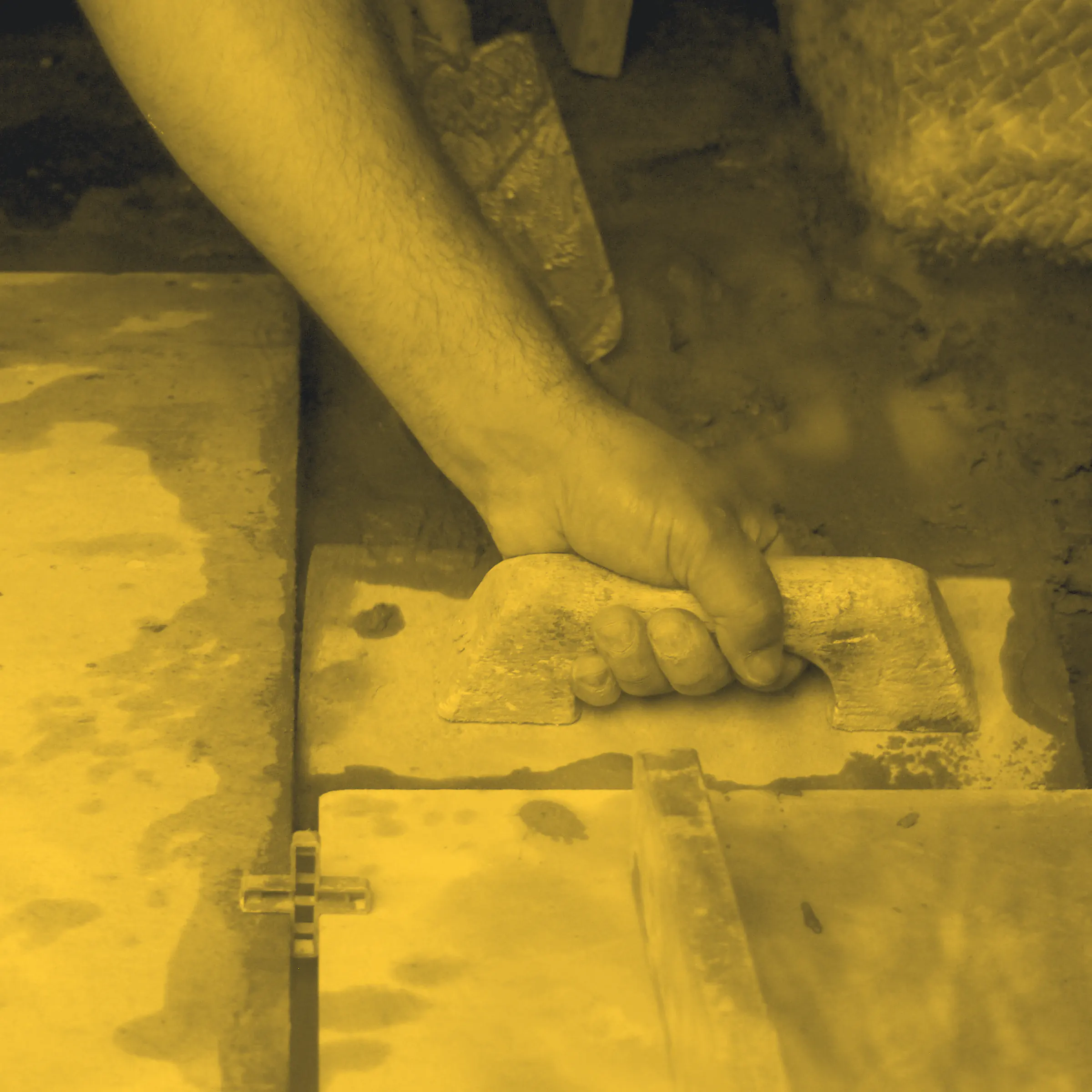
Workers compensation insurance can provide financial protection by covering medical expenses, lost wages and rehabilitation costs for workers who suffer job-related injuries or illnesses. In the flooring industry, workers are regularly exposed to physical risks such as heavy lifting, repetitive motion, and handling sharp tools and hazardous materials. These activities significantly increase the likelihood of accidents and health issues. That's why workers compensation insurance is crucial in helping flooring installers get the medical care and financial support they need if they are injured. Let's learn more about the risks and how workers compensation insurance can provide protection.
Workers compensation insurance and its importance for flooring installers
High risk of injuries
Flooring installers frequently encounter a variety of hazardous situations that raise the risk of injuries. Some of the high-risk actions include:
- Heavy lifting: Moving and installing large and heavy flooring materials can lead to musculoskeletal injuries, particularly to the back and shoulders.
- Repetitive motion: Continuous kneeling, bending and stretching during the installation process can result in repetitive strain injuries.
- Handling sharp tools: The use of cutting tools, such as high-speed disc cutters and saws, poses a significant risk of cuts and lacerations.
- Exposure to hazardous materials: Working with certain adhesives, chemicals and dust can lead to respiratory issues and skin irritations.
- Slips and falls: Moving across uneven surfaces and working in cluttered environments increases the likelihood of slips, trips and falls.
Given these risks, workers compensation insurance is essential in giving flooring installers access to medical care, and in reducing the financial burden of workplace injuries.
Legal requirements
Under Australian law, employers must have insurance to cover their workers in case they get sick or injured because of work (Safe Work Australia), and that includes employers in the flooring industry. The law is designed to protect workers so they receive medical treatment and compensation for lost wages following a workplace injury. For flooring businesses, meeting these legal requirements is particularly important because of the high-risk nature of the work. Employers must hold workers compensation insurance that meets the rules of their state or territory, so check the rules with your state's authority:
- New South Wales: icare
- Victoria: WorkSafe Victoria
- Queensland: WorkCover Queensland
- Western Australia: WorkCover WA
Workers compensation can pay for lost earnings, medical expenses and related costs if a worker is injured at work, so for flooring businesses with workers, having it in place matters for both employees and employers.
Compliance protects workers and can also shield employers from legal penalties and potential lawsuits.
Employee morale
From an employer's perspective, providing workers compensation insurance demonstrates a commitment to the wellbeing of their employees. This commitment can lead to higher job satisfaction, lower staff turnover and a stronger sense of loyalty among workers.
Not sure which insurance policy to choose? Read our guide to finding the right tradie insurance policy.
Workers compensation benefits for flooring installers
Workers compensation insurance can provide a range of benefits to flooring installers who suffer work-related injuries or illnesses. These benefits are designed to give injured workers the support they need to recover and return to work, or to manage long-term disabilities if necessary. The key benefits can include:
1. Medical expenses
- Doctor visits: Cover for consultations and follow-up appointments with healthcare providers.
- Surgery: Financial support for necessary surgical procedures.
- Rehabilitation: Access to physiotherapy and other rehabilitation services to aid recovery.
2. Lost wages
- Wage replacement: Workers compensation insurance can replace some of a worker's lost wages during the recovery period, helping them stay financially stable while unable to work.
- How much is paid: How much is paid, and for how long, depends on the rules of the state's scheme and how long the worker is off work.
3. Incapacity and permanent impairment benefits
- Incapacity payments: Payments to support workers while they are temporarily unable to do their job because of an injury.
- Permanent impairment: A lump sum may be paid where a worker is left with a permanent impairment (Safe Work Australia).
Making a workers compensation claim can give flooring installers access to medical treatment and financial support after a work-related injury, under the state's scheme.
Considerations for workers compensation insurance cost
When considering the cost of workers compensation insurance for flooring installers, it is important to recognise that this investment not only meets legal requirements but also offers financial protection. The cost of premiums is influenced by factors such as the wages you pay, the number of employees, the nature of the work and the business's claims history. WorkCover WA notes that workers compensation claims can cost hundreds of thousands of dollars, and that without insurance you will be responsible for all the costs of a claim (WorkCover WA).
Workers compensation is a legal requirement for employers, and it can pay for an injured worker's treatment and lost wages under your state's scheme.
Contact us to talk about cover for your business. For tiling and flooring businesses, see tilers insurance.
General advice only. Read the policy documents we send with your quote before you decide.