What Are the Most Common Scaffolding Accidents?
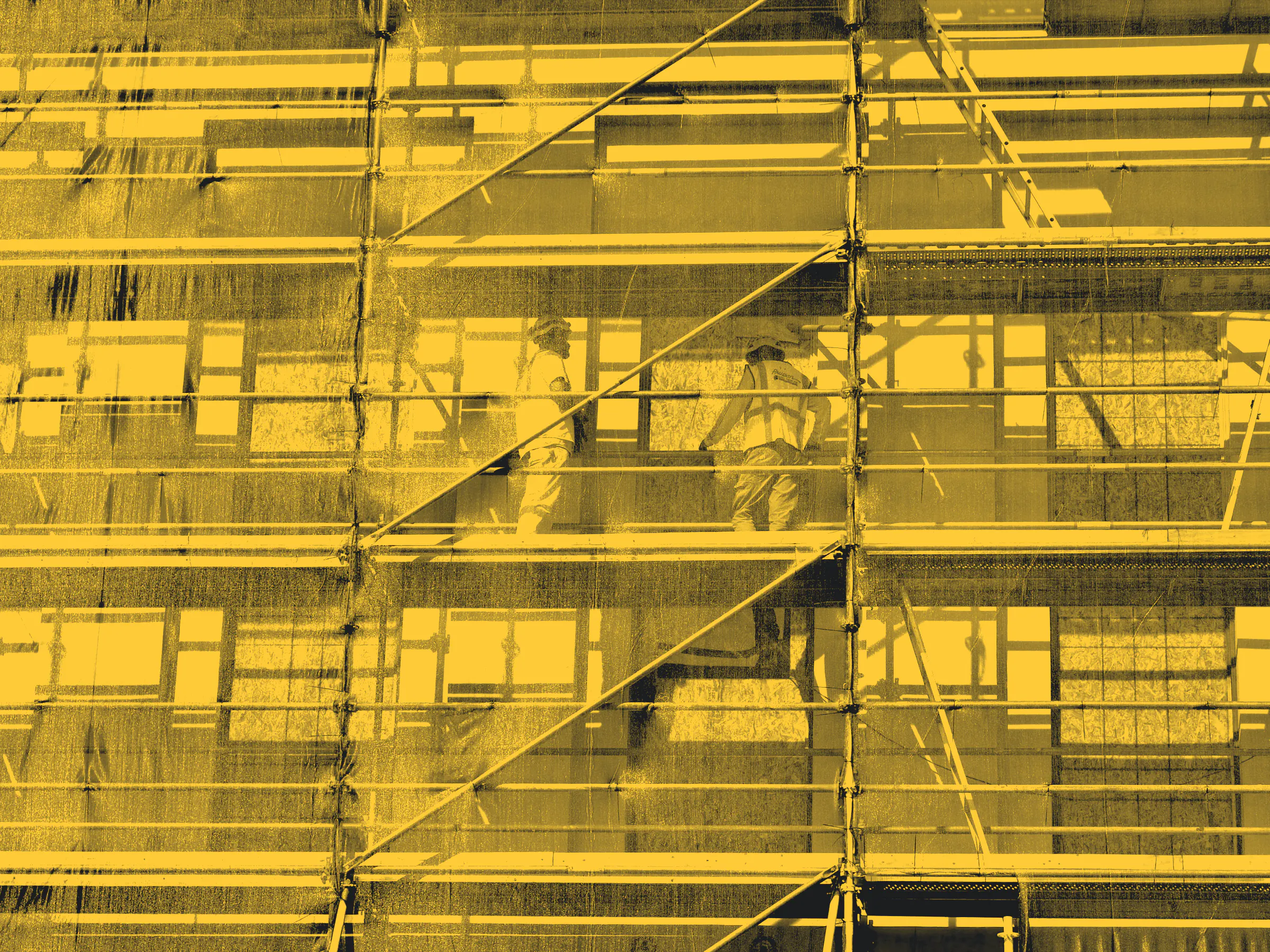
Scaffolding is an essential part of construction, maintenance and repair work that involves working at height. However, working on scaffolding comes with many hazards, and if proper safety measures are not taken, it can lead to severe accidents and injuries. Safe Work Australia lists the most common risks with scaffolds and scaffolding work as falls from height, scaffold collapse, working near power lines and falling objects (Safe Work Australia, read 21 October 2026).
As a tradie, it pays to know the hazards and to take the right precautions to prevent accidents. This guide looks at the common scaffolding accidents, how to prevent them and what to do if one happens. See scaffolding insurance, or get a quote.
Scaffolding hazards
To keep workers safe, recognise and reduce the potential hazards of working on scaffolding. Here are the common causes of scaffolding accidents and the protective measures to take:
- Falls: Falls from height are the first risk on Safe Work Australia's list and one of the most serious scaffolding hazards. Proper fall protection measures should be taken, such as the use of guardrails, safety harnesses and lanyards.
- Collapse: Scaffolding collapse can occur for several reasons, such as improper installation or overloading. The scaffold should be installed correctly, with proper bracing and anchoring, and should not exceed the recommended weight capacity. Inspect and maintain it so it stays in good condition (see the inspection points below).
- Electrical hazards: Working on or near electrical lines while on scaffolding can result in electrocution or electric shock. Workers should be trained in safe electrical practices, and scaffolds should be kept a safe distance from power lines. Check the approach distances with your state's electrical safety regulator or the network operator before setting up near them.
- Struck-by hazards: Struck-by hazards can occur when objects fall from the scaffold onto workers or when workers are hit by moving objects. Hard hats should be worn, and toe boards should be in place to stop objects falling off the scaffold.
- Overloading: Overloading the scaffold can lead to collapse or tip-over. The scaffold should not exceed the recommended weight limit, and the weight should be evenly distributed. Workers should be trained to recognise the signs of overloading and take corrective action.
- Slip and trip hazards: Workers can slip and trip on wet or uneven surfaces around the scaffold, leading to falls or other accidents. Regular cleaning and maintenance of the scaffold and surrounding areas can help prevent these hazards.
- Weather-related hazards: Strong winds, rain or storms can make scaffolding unstable and increase the risk of falls or collapse. Workers should be trained to recognise the signs of bad weather and take appropriate precautions.
- Improper use of equipment: Incorrect use of tools and equipment, such as using a scaffold as a ladder, can increase the risk of accidents. Workers should be trained in the proper use of equipment and tools to avoid these hazards.
- Chemical hazards: When working on scaffolding, workers may come into contact with hazardous chemicals, such as paint or solvents, which can cause skin or respiratory irritation. Proper personal protective equipment, such as gloves and masks, should be worn to prevent exposure to these hazards.
- Fatigue and stress-related hazards: Working on scaffolding for long periods can be physically and mentally exhausting, leading to fatigue and stress-related hazards. Employers should make sure that workers take adequate breaks and that work schedules are not too demanding, which can reduce the risk of accidents.
Read more about the risks of working without insurance.
Preventing scaffolding accidents
Under the model work health and safety (WHS) laws, a business must, so far as is reasonably practicable, eliminate or minimise the risks of scaffolds and scaffolding work, and it must inspect and maintain scaffolds and scaffolding (Safe Work Australia, Scaffolding, read 21 October 2026). The points below are general good practice; check the guidance and your state's WHS regulator for what applies to your work.
Scaffolding precautions
- Proper installation and maintenance of scaffolding: Proper installation and maintenance of scaffolding can prevent collapse and tip-over. Safe Work Australia's Guide to scaffold inspection and maintenance explains how to inspect and maintain a scaffold.
- Use of personal protective equipment (PPE): Workers must wear the appropriate PPE, such as hard hats, safety harnesses and lanyards, to prevent falls and other accidents.
- Training and licensing of workers: Workers must be trained in the proper use of scaffolding and the associated hazards. Some scaffolding work needs a high risk work licence; Safe Work Australia explains when, and your state's regulator issues it.
Hazards and controls
To prevent accidents, the hazards of scaffolding must be controlled. Here are some controls that can be put in place:
- Guardrails and toe boards: Guardrails and toe boards prevent falls and protect workers from being struck by objects falling from the scaffold.
- Proper scaffold planking: The scaffold planking must be strong and level to prevent collapse and tip-over.
- Safe access and egress: Safe access to and from the scaffold must be provided to prevent falls and other accidents.
- Safe electrical practices: Workers must be trained in safe electrical practices to prevent electrocution or electric shock.
Good practice on site
Many sites also follow these practices:
- A quick check of the scaffold at the start of each day, on top of the inspections the WHS laws require.
- Use of proper scaffolding equipment, such as ladders and planks, to prevent falls and other accidents.
- No unauthorised workers on scaffolding, to prevent overcrowding and overloading.
- Procedures in place for severe weather, such as strong winds or lightning.
Read more about how to avoid common workplace injuries on the job.
If an accident happens
If someone is hurt in a scaffolding accident, follow these steps:
- Call 000 for an ambulance if someone is seriously hurt.
- Give first aid if you are trained, and keep the area safe so no one else is hurt. Keep people off the scaffold until it has been checked.
- Tell the injured person's employer or supervisor what happened and where they are.
- Write down what happened while it is fresh. Employers must notify their WHS regulator immediately after becoming aware of workplace deaths, serious work-related injuries, illnesses and dangerous incidents (Safe Work Australia, Incident notification, read 21 October 2026).
Insurance for scaffolding accidents
Scaffolding accidents can cause serious injuries or deaths. Such accidents can lead to significant financial losses for both the tradie and the client, including medical expenses, property damage and legal costs. Scaffolding insurance can provide a safety net against these risks if an accident or incident happens, depending on the policy. It is an important consideration for anyone involved in the construction industry. Read about builders insurance and the other covers builders might need.
Types of cover
Scaffolding insurance can provide cover for a range of risks associated with scaffolding work, including:
- Accidental damage to scaffolding
- Injury to other people (not your own workers) caused by your scaffolding work, depending on the policy
- Damage to property caused by scaffolding
Injury to your own workers falls under workers compensation insurance and your state's scheme, not this cover.
Benefits of scaffolding insurance can include compensation for financial losses from a covered scaffolding accident or damage to scaffolding, up to the limits in the policy. What a policy covers depends on its wording, limits, excesses and exclusions, and the insurer decides whether a claim is paid, so read the PDS (product disclosure statement) or policy wording before you decide.
Factors that affect cover and premiums
The cover and premiums of builders' and tradies' insurance policies depend on various factors, such as the size and nature of the business, the level of risk, the number of employees and the types of services offered.
In conclusion, scaffolding insurance is worth a close look for anyone involved in the construction industry. It can provide protection against a range of risks if an accident or incident happens, depending on the policy. If you are a builder or tradie in Australia, Tradies365 can help you with scaffolding insurance for your business. Our brokers can compare policies from insurers and help you choose cover for the risks your business faces. Contact us to learn more about how we can help you protect your business.
General advice only. Read the policy documents we send with your quote before you decide.