
As a Tradie, Are You at Risk of Silicosis?
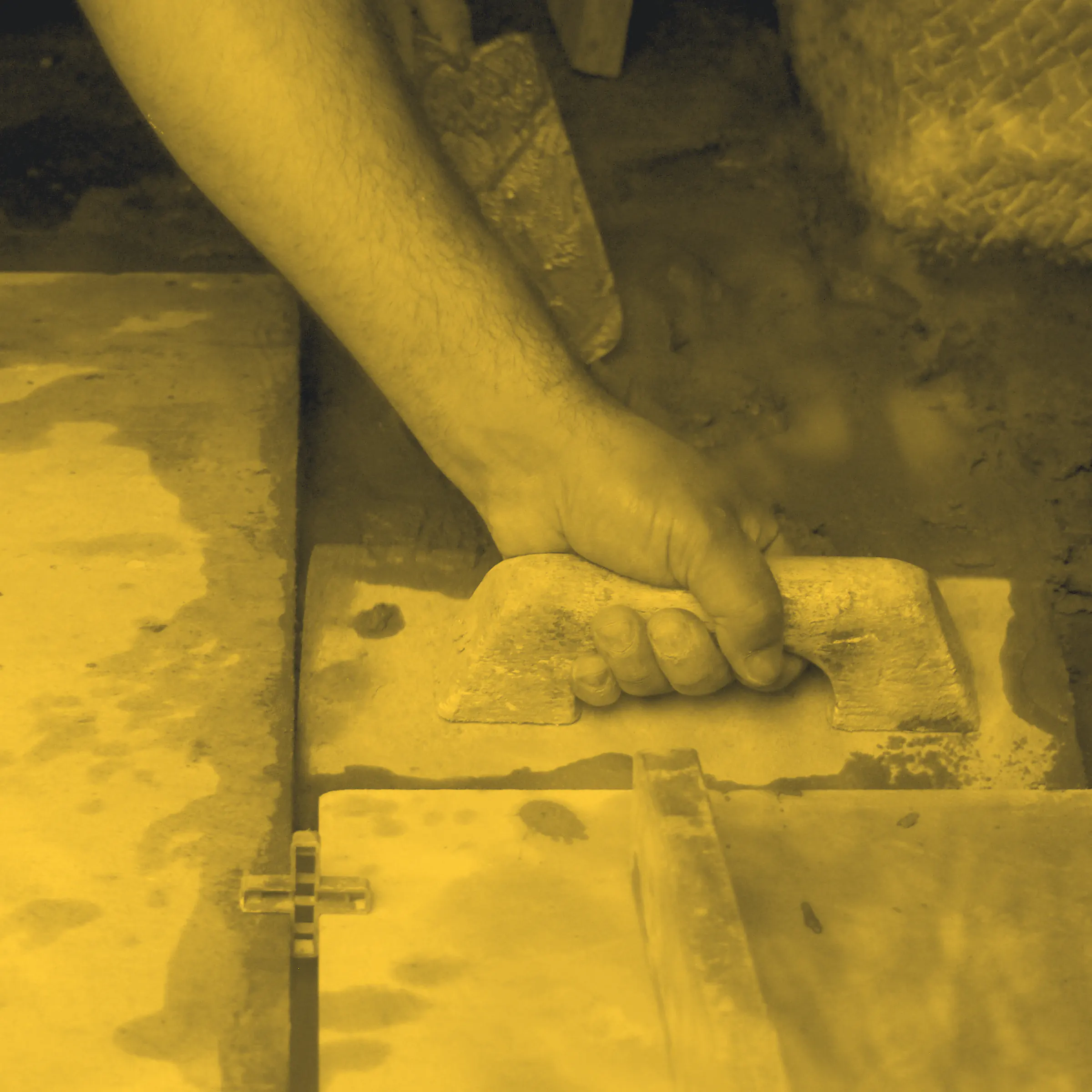
If you work as a tradie, you know about the challenges and risks involved in your job. Balancing the demands of running a business while staying on top of job projects can be difficult even when everything goes to plan. Unfortunately, things rarely go to plan for tradies.
Silicosis is one disease every tradie who cuts stone, brick, concrete or tile should know about.
If you are not familiar with the term, you're not alone. Silicosis has traditionally affected construction workers, farmers, miners and engineers, and because its symptoms often do not show in the early stages, it can go undetected for years (ABC News). Many tradies work with materials that contain silica, such as natural or engineered stone, bricks, concrete and tiles, and cutting, drilling, polishing or grinding them produces silica dust (Safe Work Australia). Understanding the disease, its risk factors and how to protect yourself is crucial. It is also worth asking which insurance covers could help protect you and your family from lost wages or being unable to work.
Silicosis: what you need to know
Silicosis is a serious, irreversible lung disease (Safe Work Australia). Inhaling quantities of respirable crystalline silica (also known as RCS) causes the disease.
Symptoms of silicosis
The symptoms of silicosis overlap with a number of other illnesses, so it is often hard to diagnose.
- Shortness of breath
- Chest pain
- Fatigue
- Severe cough
The three types of silicosis
Silicosis presents itself as one of three distinct varieties.
- Chronic silicosis: The form of the disease seen most often is chronic silicosis. It develops after long-term exposure to lower levels of silica dust, and it can lead to scarring of the lungs, shortness of breath and progressive massive fibrosis. The numerous and sometimes vague symptoms make diagnosis difficult.
- Accelerated silicosis: Accelerated silicosis develops after 3 to 10 years of exposure to moderate to high levels of silica dust. It causes inflammation, protein in the lung and scarring of the lung (fibrotic nodules).
- Acute silicosis: This form of the disease develops after a short exposure to very high levels of silica dust, within a few weeks or years. It causes severe inflammation and a build-up of protein in the lung.
Safe Work Australia says these diseases can take years to show symptoms and may keep getting worse even after exposure stops. They are also preventable, by using controls that eliminate or effectively minimise exposure to RCS.
Diagnosing silicosis
Silicosis can be difficult for medical practitioners to diagnose for a few reasons.
- In many cases, the symptoms advance slowly, and the patient has no reason to think they have a critical illness
- Symptoms can be vague and often mistaken for signs of other common illnesses
If you have symptoms and regular exposure to silica dust, tell your doctor about your work and ask about testing.
Why silicosis cases rose
Silicosis cases have risen in recent years, particularly among engineered stone workers (Safe Work Australia). The reason for this was an increase in exposure to high levels of RCS. Engineered stone has been a significant contributor because of the very high levels of silica in the product. Safe Work Australia's typical ranges show that engineered stone can contain far more crystalline silica than natural stone such as granite or marble (Safe Work Australia).
What the national ban on engineered stone means
Engineered stone benchtops, panels and slabs are now banned in Australia, following a recommendation by Safe Work Australia in response to the rise of silicosis cases. Safe Work Australia explains what the ban covers.
The ban does not end the risk. Some work on engineered stone that is already installed is still allowed, and it still makes silica dust. Natural stone, bricks, concrete and tiles still contain silica too. Check with your state's work health and safety regulator what applies to your work.
How can tradies reduce exposure to silica dust?
Because the dust is not visible, tradies need to protect themselves from exposure. Safe Work Australia says silica diseases are preventable by using controls that eliminate or effectively minimise exposure to RCS, such as (Safe Work Australia):
- Water suppression (wet cutting) instead of dry cutting
- On-tool dust extraction
- The right respirator for the job, properly fitted
Your state's work health and safety regulator can tell you which controls are required for your work.
While the rise in silicosis cases is disturbing, tradies who are knowledgeable about the dangers are likely to be better protected. Take the time to outfit yourself for protection against RCS dust. Also take the time to review your insurance cover. If you employ workers, Australian law requires you to have insurance to cover them if they get sick or injured because of work (Safe Work Australia), so check your workers compensation insurance. If you are a sole trader, workers compensation insurance doesn't cover you (business.gov.au), so ask a broker about personal accident and illness cover and what it would pay if an illness stopped you working. What any policy pays depends on its wording, limits and exclusions.
General advice only. Read the policy documents we send with your quote before you decide.