What Are the Most Common Injuries for Tradies?
Being a tradie can be a dangerous job. Not only are you at risk of injury on the job, but you may also be exposed to toxic and other harsh chemicals that can cause serious health problems down the road if not handled properly. However, with some common sense, you can avoid many of these injuries.
Common injuries
Workplace injuries are common, but they're not inevitable, and you can take steps to avoid them. Common workplace injuries include:
- Carpal tunnel syndrome, which can result from repetitive hand movements and is caused by pressure on the median nerve that runs through the wrist.
- Back injuries, from strains to fractures of the vertebrae, which can happen when you lift heavy objects without the right technique or support, or in a fall.
- Slip-and-fall accidents, which can cause sprains and strains to ligaments in your knees and ankles, as well as other soft tissue injuries, when you fall on a slippery surface (for example, a wet floor).
- Cuts and puncture wounds from blades, sharp materials and power tools.
- Hearing loss from long exposure to loud tools and machinery without ear protection.
When a workplace injury does occur, here's what to do:
- Report it to your supervisor straight away so they can check that all necessary safety precautions have been taken.
- Document everything about the incident (for example, how it occurred).
- Keep track of any symptoms related to your injury (for example, pain).
- See a doctor as soon as you can, especially if pain persists or gets worse, and keep any medical certificate you are given.
- Check whether you can claim under the workers compensation insurance scheme in your state, if it applies in your case.
Stay aware on site
- Keep your eyes on the job. If someone needs to talk, stop the tool first.
- Take breaks often. It may seem like cutting corners will get you ahead at work, but taking frequent breaks is actually good for your body and mind. Taking a break from the heat or loud noise helps keep your energy levels up when working long hours, and gives you time off from any pain or discomfort that may be affecting your concentration (for example, back pain).
- Don't rush tasks that need accuracy and precision; take care of each task in turn instead of rushing through them all at once (a common mistake).
Wear the right PPE
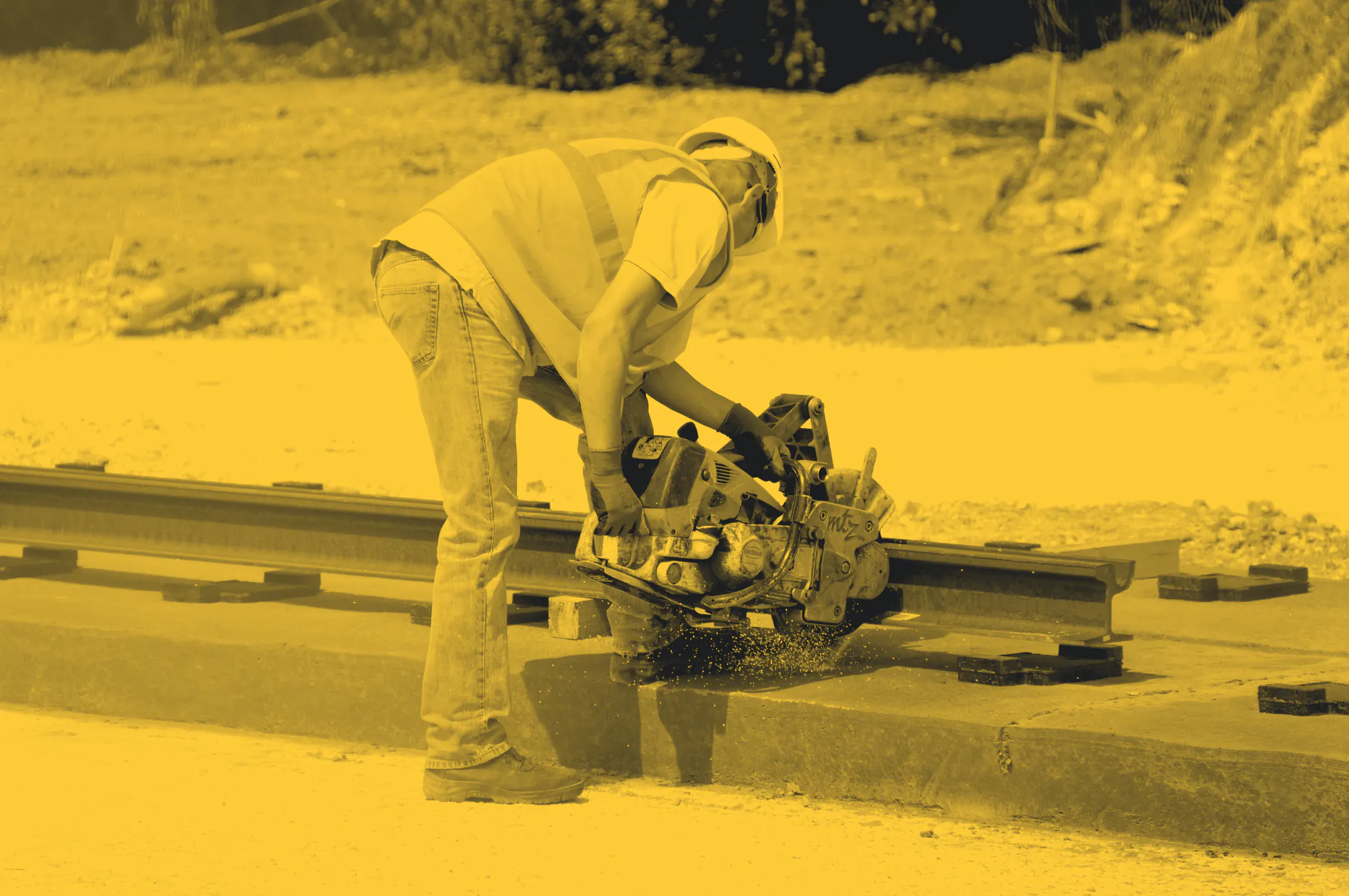
When you're on the job, personal protective equipment (PPE) is any clothing or equipment that protects you from injury. This includes gloves, hard hats, safety glasses and ear protection.
Under work health and safety laws, the business you work for provides PPE where it is needed, and workers must use their PPE as instructed (Safe Work Australia). In WA, these rules are in the Work Health and Safety (General) Regulations 2022. If PPE you need is not provided, tell your supervisor: under WHS laws the business provides it. It's also a good idea to wear protective clothing such as overalls where possible, because they offer extra protection from sharp objects like staples or small tools that could easily prick through regular clothes. Check regularly that all parts of your PPE are intact. If anything breaks, such as straps falling off or cracks appearing in plastic, replace it before you use it again; otherwise it could result in even more severe injuries down the line!
Use and maintain your tools
When using tools, make sure that you have the right tool for the job. This means:
- Using the right sized tool for the material you're working with. A small hammer won't do much to a large piece of wood, and some materials need special drills and saws to cut them properly.
- If you're using power tools (such as angle grinders or sanders), make sure they are maintained properly so they don't malfunction while in use. If a power tool stops working because it wasn't maintained well enough, this could lead to an accident on site.
- Keep your hand tools sharpened! You'll be safer if your blades stay sharp; a sharp blade also reduces friction when cutting through materials like metal or wood, and friction builds up heat, which can become dangerous in some situations.
Don't work tired or sick
- Take breaks to rest, drink water and have snacks.
- If you have a cold, consider taking some time off work.
- If you're feverish, shaky or aching, stay off ladders and power tools. See a doctor and go back when you're fit.
If someone gets hurt
If an accident does happen, follow these steps:
- Call 000 for an ambulance if someone is seriously hurt.
- Give first aid if you are trained, and keep the area safe.
- Tell their employer or supervisor that they have been injured and where they are.
- Write down what happened while it is fresh. Employers must notify their WHS regulator immediately after becoming aware of serious work-related injuries, illnesses and dangerous incidents (Safe Work Australia, read 21 October 2026).
Where workers comp and personal cover fit in
If you employ people, workers compensation can cover an injured worker's medical costs and lost wages under your state's scheme. If you work for yourself, you may not be covered by workers compensation; see do sole traders need workers compensation insurance. Many self-employed tradies look at personal accident and illness cover or income protection. Personal accident and illness cover can pay a weekly benefit if an injury or illness stops you working; how much, and for how long, depends on the policy. Tradies365 arranges personal accident and illness cover, not income protection or life insurance. What a policy covers depends on its wording, limits, excesses and exclusions, and the insurer decides whether a claim is paid, so read the PDS (product disclosure statement) or policy wording before you decide.
Stay safe on the job
As a tradie, you are at risk of injury in the workplace. To protect yourself, follow these simple rules:
- Always wear your safety gear and use tools properly.
- Stay aware of what's going on around you, so that dangerous situations can be avoided.
- Try not to work tired or hungry, as this will impair your judgement and make it harder to concentrate on what needs doing.
Conclusion
It's important to remember that workplace injuries aren't inevitable. If you're a tradie, there are several ways to keep yourself safe and prevent further injury on the job. Stay aware of your surroundings, and don't take shortcuts. Use tools properly, and keep them well-maintained. Wear the necessary PPE when needed and make sure it fits properly; if something doesn't feel right, speak up before it's too late! Contact us to talk about cover for your work.
General advice only. Read the policy documents we send with your quote before you decide.