
Do Concreters Need Workers Compensation?
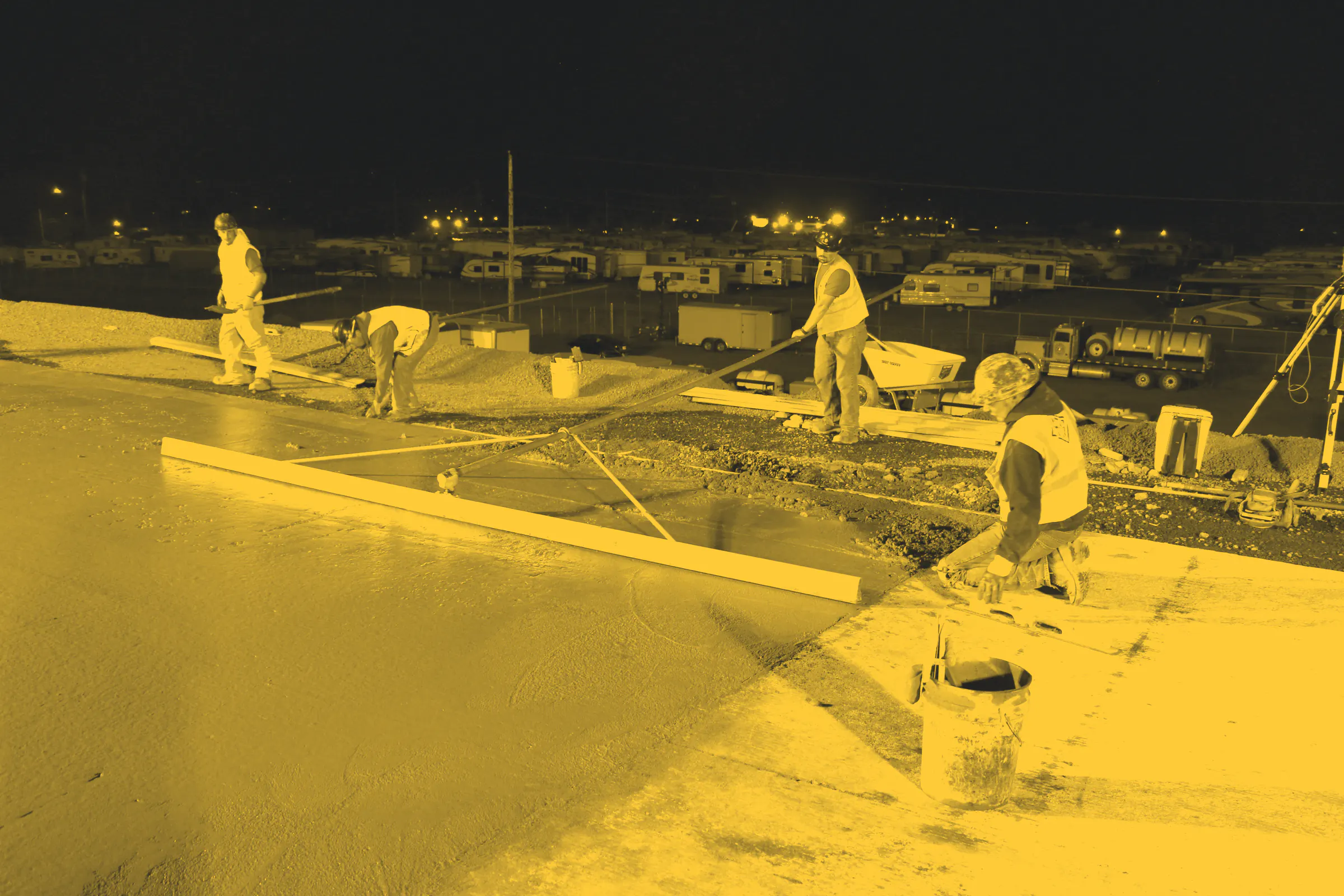
The concrete contracting industry is a critical part of construction, but it's also one with inherent risks. Workers face dangers daily from heavy machinery, hazardous materials and physically demanding tasks. A slip-up on the job can lead to serious injuries, leaving employees facing hefty medical bills and lost wages. This is where workers compensation insurance steps in, offering a vital safety net for both workers and employers. This blog will explore the importance of workers compensation insurance for concrete contractors.
Importance of workers compensation insurance for concrete contractors
Workers compensation insurance goes beyond simply covering medical bills after an accident. It provides a three-part approach to protecting both your employees and your business:
Safety support
Workers compensation insurers and schemes may offer resources and incentives for safety programs. This can include training on hazard identification, proper use of equipment and following safety protocols. By investing in safety, you can reduce the risk of accidents and injuries on the job site.
In Australia, work health and safety laws are regulated and enforced by the Commonwealth, states and territories. Safe Work Australia develops the model WHS laws, and each state and territory has its own WHS laws and regulator (Safe Work Australia); in WA, WorkSafe enforces the Work Health and Safety Act 2020. Workers compensation insurance doesn't make a business compliant on its own. Some insurers and schemes offer safety resources that can help.
Financial security
Financial security is important because even a small injury may end up in high medical bills. Workers compensation can cover these costs under your state's scheme. If a worker is unable to work due to a work-related injury, workers compensation can pay them a portion of their lost wages.
Legal protection
If an employee gets injured and feels their safety wasn't prioritised, they may take legal action against your company. Workers compensation gives an injured worker benefits through the state or territory scheme, regardless of who was at fault (WorkCover WA). Whether a worker can also sue the employer for negligence, and what the policy covers if they do, depends on the state's rules.
Who counts as a worker
Each state's scheme sets who counts as a worker, and some contractors and subcontractors can count. If you bring in other concreters to help on a pour in WA, check with WorkCover WA whether they count as your workers. For other states, see do sole traders need workers compensation insurance.
Key risks faced by concrete contractors
Physical hazards
Concrete contractors regularly handle heavy machinery and equipment, which can pose significant risks. The use of hazardous materials and chemicals is another concern, as improper handling can lead to serious health issues. Additionally, the physically demanding nature of concrete work increases the likelihood of strain and fatigue, which can result in accidents and injuries.
Common injuries in concrete work
Musculoskeletal injuries are common among concrete workers due to repetitive motions and heavy lifting. Cuts, bruises and lacerations are also common, often caused by sharp tools and rough materials. Furthermore, exposure to dust and fumes can lead to respiratory issues, making protective gear essential on the job site. Cutting, drilling, polishing or grinding concrete produces silica dust, which can cause permanent serious diseases such as silicosis (Safe Work Australia); read more about the risk of silicosis.
Worksite accidents
Slips, trips and falls are frequent occurrences in concrete work environments, often due to uneven surfaces and cluttered work areas. Equipment malfunctions, such as broken tools or machinery, can cause serious injuries if equipment is not properly maintained. Falling objects and debris present additional hazards, making vigilance and following safety protocols crucial for preventing accidents.
Benefits of workers compensation insurance for concrete contractors
Employee protection
Workers compensation insurance can give workers financial support for medical expenses and lost wages in the event of a work-related injury or illness. The physically demanding nature of concrete work, coupled with heavy machinery and hazardous materials, increases the likelihood of accidents. Workers compensation insurance gives workers confidence that there is cover in place should they suffer an injury on the job. This cover not only aids recovery but also supports families during challenging times, reducing the overall stress for injured workers.
Employer advantages
For employers, workers compensation insurance offers significant advantages. It can help shield employers from costly legal battles that could arise from workplace injuries. By having workers compensation insurance, employers can reduce the financial burden of litigation and potential compensation payouts, which could otherwise put the business's financial stability at risk.
Cost management
Effective cost management is another critical benefit of workers compensation insurance for concrete contractors. Workplace injuries can lead to substantial financial losses, including medical bills, rehabilitation costs and compensation for lost wages. Without insurance, these expenses would fall directly on the employer, potentially disrupting cash flow and affecting the business's ability to operate. Workers compensation insurance can help manage these costs by covering expenses related to work-related injuries, under the rules of the state's scheme. Additionally, insurers and schemes may offer risk management and safety programs to help reduce the incidence of workplace injuries, further helping to control costs in the long term.
Cover for concreters with Tradies365
At Tradies365, our brokers compare policies from insurers for concrete contractors and other trades, and help you choose cover for the work you do. What is covered depends on the policy the insurer offers. See concreters insurance for the covers concreters ask about.
Contact us to talk about cover for your business.
General advice only. Read the policy documents we send with your quote before you decide.